What Helps Sore Muscles Recover Faster After Workouts?
Share
Hard training should challenge your muscles, not derail your week. What helps sore muscles recover faster is rarely one magic fix. It is a repeatable combination of light movement, quality sleep, enough food, hydration, and smarter training decisions. Start there, then use recovery methods that fit your body and schedule.
Why Muscles Feel Sore After Training
That stiff, tender feeling usually appears 12 to 48 hours after an unfamiliar workout. It is often called delayed-onset muscle soreness, or DOMS. New exercises, added weight, longer sessions, and slow lowering phases can all trigger it.
Soreness does not automatically mean you had a better workout. It means your body is adapting to a training stress. A little soreness can be normal. Severe soreness that limits basic movement is a sign to adjust the next session.
Your goal is not to eliminate every ache. Your goal is to recover well enough to keep training consistently.
What Helps Sore Muscles Recover Faster? Start Moving
The instinct to stay completely still makes sense. Yet gentle movement often feels better than total rest. Easy activity increases circulation, warms stiff tissue, and helps you regain normal movement patterns.
Choose activity that feels restorative, not demanding. A relaxed walk, easy cycling, light mobility work, or a low-intensity yoga flow can work well. Keep the effort low enough that you can hold a full conversation.
Avoid turning recovery into another hard workout. If your legs are sore from squats, do not chase a tough hill session. If your upper body is sore, skip high-volume push-ups. The point is circulation and range of motion.
Try 10 to 20 minutes of easy movement the day after a demanding workout. Then reassess. You should feel looser afterward, not more drained.
Use Mobility to Restore Comfortable Range
Mobility work is most useful when it is gentle and specific. Move the joints that feel restricted. Do not force deep stretches into painful muscles.
For sore legs, use slow bodyweight squats to a comfortable depth, hip circles, and ankle movements. For sore shoulders, use controlled arm circles and easy chest-opening movements. Breathe slowly while you move.
Static stretching can feel good. It may improve short-term comfort. But it is not a shortcut that repairs muscle damage faster. Use it because it helps you feel ready to move, not because you expect an instant fix.
Sleep Is Your Best Recovery Tool
Sleep is where recovery gets serious. Training creates the signal. Sleep gives your body time to respond.
During good sleep, your body supports tissue repair, nervous system recovery, and energy restoration. One short night will not ruin your progress. Repeated short nights can make soreness feel worse and workouts feel harder.
Aim for seven to nine hours most nights. Consistency matters as much as the occasional perfect night. A simple routine helps: set a realistic bedtime, dim bright screens before bed, and keep your room cool and dark.
Hard evening workouts can work for some people. Others feel too energized afterward. If late training disrupts sleep, finish with a calm cooldown and avoid stimulants late in the day.
Eat Enough to Recover
Recovery needs fuel. Under-eating after demanding workouts can leave you tired, sore, and flat during the next session.
Protein supports muscle repair. Spread it across the day rather than saving it all for dinner. A practical target for active adults is roughly 20 to 40 grams of protein per meal, depending on body size and total daily needs.
Carbohydrates matter too. They replenish stored energy used during strength training, intervals, and endurance work. If you train often, include carbohydrate-rich foods after workouts and across your regular meals.
Build simple plates. Include a protein source, colorful produce, carbohydrates, and a source of healthy fat. For example, Greek yogurt with fruit and oats works. So does chicken, rice, and vegetables. A sandwich with lean protein and fruit can also do the job.
Hydration supports performance and recovery, especially after hot or sweaty sessions. Drink water regularly throughout the day. If you sweat heavily for long periods, include foods or drinks with electrolytes. Pale yellow urine is a useful general hydration check.
Do not chase expensive supplements before fixing meals and sleep. Most people get more benefit from adequate calories, protein, carbs, and fluids.
Heat, Cold, and Massage: Use the Right Tool
Heat can help stiff muscles feel more comfortable. A warm shower or bath may make movement easier before mobility work. Heat is often a good choice when you feel tight, stiff, or generally achy.
Cold can reduce pain temporarily after a tough session. It may be useful when a specific area feels irritated or swollen. However, frequent cold exposure immediately after every strength workout may not be ideal if muscle and strength gains are your priority. Use it strategically for comfort, not automatically.
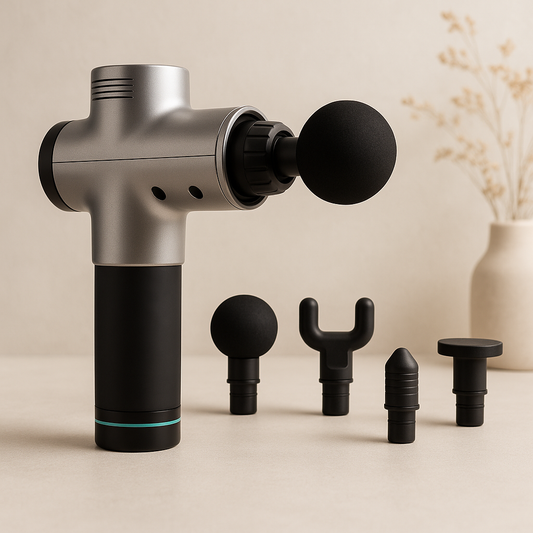
Self-massage can also reduce the feeling of tightness. Use gentle, controlled pressure. Stay off sharp pain, bruised areas, and joints. You do not need to punish sore tissue to get a benefit.
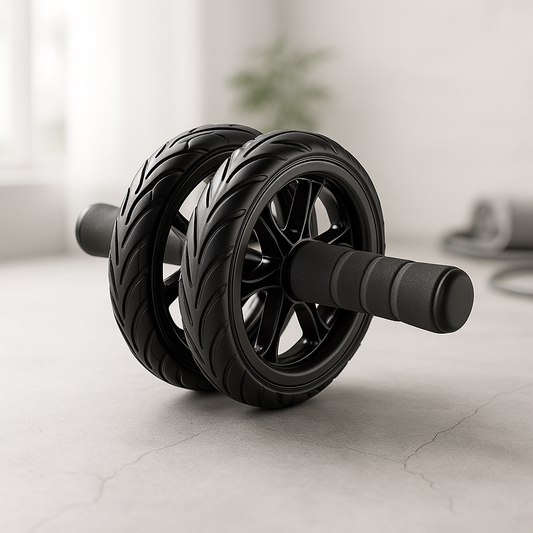
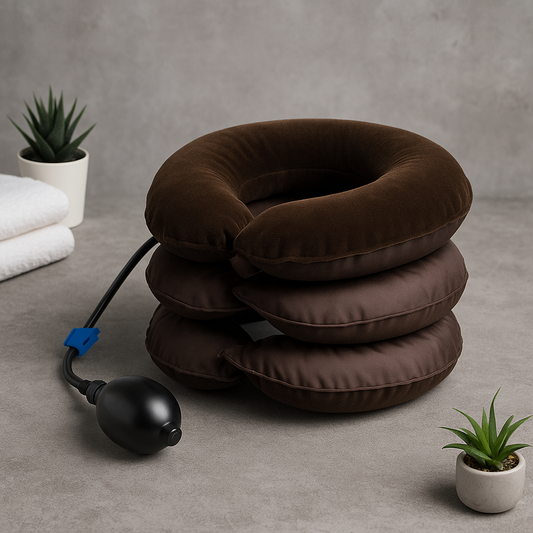
Recovery accessories are optional. They can make a routine easier to maintain. They cannot replace sleep, food, and sensible training volume.
Train Smarter During a Sore Week
You do not always need to skip training because you are sore. You may need to change the session.
If soreness is mild, train as planned after a longer warmup. If it is moderate, reduce the load, total sets, or intensity. You can also train a different muscle group. A sore lower body day may be a good time for an easier upper-body session.
If soreness changes how you walk, squat, press, or brace, take a recovery day. Poor movement under fatigue can turn a normal training response into a strain.
Progress works best when it is gradual. Add reps, resistance, distance, or workout days in small steps. New routines need time. Start with less than you think you can handle, then build from there.
A simple training log helps. Track exercises, sets, reps, sleep, and soreness. Patterns become easier to spot. If every workout creates three days of severe soreness, your volume is probably too high for your current recovery capacity.
Know When Soreness Is Not Normal
Normal soreness improves over several days. It feels tender and stiff, usually in the muscles you trained. It should not create sharp pain, major swelling, numbness, weakness, or instability.
Stop training and seek medical guidance if pain is severe, sudden, or worsening. Get help promptly if you notice dark urine, extreme swelling, fever, chest pain, trouble breathing, or pain after a fall or impact.
Also pay attention to joint pain. Muscle soreness is usually broad and dull. Joint pain is often more precise, sharp, or felt deep in one area. Do not train through it just to stay on schedule.
How to Choose Recovery Support That Fits Real Life
Before buying any recovery accessory, build the habits that create the biggest return. Then choose tools that make those habits easier to repeat.
Use this checklist when comparing recovery options:
- Choose a tool for a clear need, such as mobility, gentle pressure, or relaxation.
- Check the listed footprint dimensions for both storage and in-use space.
- Confirm the stated weight capacity if the product supports your body weight.
- Review the resistance type if the item includes adjustable tension or compression.
- Check the noise level assessment for apartment use or early-morning sessions.
- Favor simple setups that you will use for five to ten minutes regularly.
- Avoid products that promise to replace rest, nutrition, or professional care.
Your next workout does not need to wait for perfect recovery. Listen to your body, move gently, eat well, sleep deeply, and adjust the plan when needed. Small recovery choices add up to stronger training weeks.