8 Best Pull Up Accessories for Better Training
Share
A pull-up bar builds strength. The right accessories make that strength repeatable. The best pull up accessories help you add reps, protect your hands, train quietly, and progress without turning a spare room into a commercial gym.
Buy for your current limitation first. Weak grip needs grips. Limited reps need bands. Shoulder discomfort needs better setup and mobility work. More equipment is not always better.
The Best Pull Up Accessories for Home Progress
The specifications below are practical minimum targets for home training. Always confirm compatibility with your bar, ceiling height, door frame, and the manufacturer’s stated load rating before training.
1. Resistance Bands for Assisted Reps
Resistance bands are the most useful first accessory for beginners. They reduce bodyweight during the hardest phase of each rep. They also support warm-ups, rows, face pulls, and shoulder activation.
Use a lighter band as your strength improves. Avoid relying on heavy assistance forever. Your goal is controlled bodyweight reps with less help over time.
- Footprint dimensions: 41 inches long when laid flat; roughly 8 x 3 inches when coiled
- Weight capacity: Choose a band rated for at least 150 pounds of tensile load
- Resistance type / motor horsepower: Layered latex resistance; no motor
- Noise level assessment: Very quiet; suitable for apartments and upstairs rooms
2. Pull-Up Grips or Gymnastics Grips
Torn calluses can stop a training block fast. Pull-up grips protect the palm while keeping your hand connected to the bar. They work best for higher-volume sessions, rough powder-coated bars, and humid training spaces.
Grips are not a substitute for grip strength. Use them when skin becomes the limiting factor. Train some bare-bar hangs when your hands feel healthy.
- Footprint dimensions: 7.5 x 3.25 inches per grip; roughly 8 x 4 inches when stored as a pair
- Weight capacity: Select grips tested for at least 300 pounds of user load
- Resistance type / motor horsepower: None; no motor
- Noise level assessment: Silent; ideal for shared homes and apartments
3. Liquid Chalk or Chalk Ball
A slippery bar changes everything. It makes your grip work harder and can cause early failure. Chalk improves friction without adding bulk to your hands.
Liquid chalk is usually the cleaner home choice. It leaves less dust on floors, furniture, and shared equipment. A chalk ball works well if your training area allows loose chalk.
- Footprint dimensions: 4 x 1.5 inches for a 50-milliliter liquid chalk bottle; 3-inch diameter for a chalk ball
- Weight capacity: Not load-bearing
- Resistance type / motor horsepower: None; no motor
- Noise level assessment: Silent; apartment-friendly
4. Gymnastics Rings for Stronger Pulling Angles
Rings turn a pull-up station into a more complete upper-body setup. You can perform ring rows, neutral-grip pull-ups, assisted squats, dips, and core work. They are especially useful when straight-bar pull-ups irritate your wrists or elbows.
The trade-off is instability. Rings demand more shoulder control. Start with rows and supported holds before adding deep dips or high-volume pull-ups.
- Footprint dimensions: Two 9.25-inch rings; straps should be 15 feet long; storage footprint about 10 x 10 x 4 inches
- Weight capacity: Choose rings and straps rated for at least 500 pounds combined
- Resistance type / motor horsepower: Bodyweight resistance; no motor
- Noise level assessment: Low noise; straps may tap the bar during movement
5. Ab Straps for Hanging Core Work
Your grip should not limit every hanging knee raise. Ab straps suspend your upper arms, allowing you to train hip flexion and abdominal control without your fingers giving out first.
They are valuable for intermediate trainees who can already hang safely. Beginners should first build comfortable dead-hang tolerance and shoulder control.
- Footprint dimensions: 19 x 8 inches per strap; approximately 10 x 8 x 4 inches when stored as a pair
- Weight capacity: Choose a stitched pair rated for at least 300 pounds
- Resistance type / motor horsepower: Bodyweight resistance; no motor
- Noise level assessment: Low noise; carabiners may click against metal bars
6. Wrist Wraps for Heavy Pulling Volume
Wrist wraps are simple, compact, and useful when your wrists feel unstable during weighted pull-ups or ring work. They offer external support without changing your grip position.
Do not crank wraps too tightly. Numb fingers or throbbing hands mean you need less tension. Wraps support a stable joint, but they cannot correct poor pulling mechanics.
- Footprint dimensions: 18 x 3 inches per wrap; about 4 x 3 x 2 inches when rolled as a pair
- Weight capacity: Not load-bearing; use for wrist support only
- Resistance type / motor horsepower: Elastic support; no motor
- Noise level assessment: Silent; suitable for any home gym
7. Dip Belt for Weighted Pull-Ups
Once bodyweight pull-ups feel controlled, a dip belt offers simple progressive overload. Add small plates, kettlebells, or a loading pin. Start lighter than you think. Even five extra pounds changes the movement.
Weighted work is not the right next step for everyone. Build a foundation first. Aim for clean sets of six to 10 bodyweight reps before chasing load.
- Footprint dimensions: 34-inch belt body with a 36-inch chain; roughly 12 x 6 x 3 inches when stored
- Weight capacity: Choose a belt and chain rated for at least 300 pounds of added load
- Resistance type / motor horsepower: External weight resistance; no motor
- Noise level assessment: Moderate; plates and chains can be loud upstairs
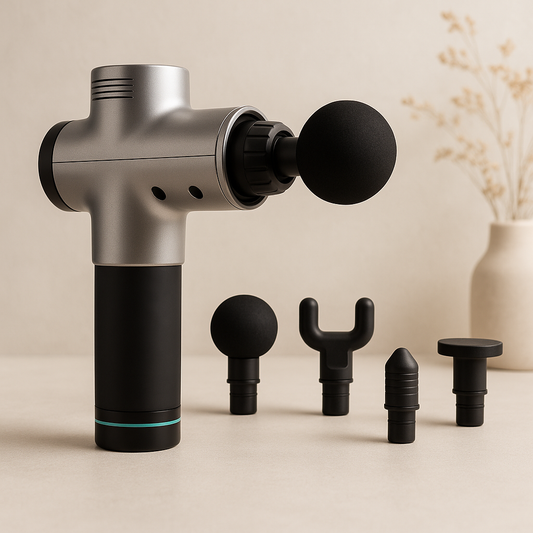
8. Massage Ball for Post-Session Recovery
Pull-up training loads the forearms, lats, upper back, and shoulders. A massage ball helps target tight areas between sessions. It is small enough for a desk drawer, gym bag, or living room basket.
Use it against a wall for more control. Floor work creates more pressure but can be too intense around the upper back. Avoid direct pressure on joints, bones, or sharp pain.
- Footprint dimensions: 2.5-inch diameter; no folded size
- Weight capacity: Designed for bodyweight pressure against a wall or floor
- Resistance type / motor horsepower: Firm rubber compression; no motor
- Noise level assessment: Silent when used against a wall; very low noise on flooring
Match Your Accessory to Your Training Problem
If you cannot complete a clean pull-up, start with resistance bands. If your palms fail before your back does, use grips and a small amount of chalk. If standard bars bother your wrists, rings offer a more natural hand position.
If you already own consistent bodyweight reps, add a dip belt. If grip fatigue blocks hanging core work, use ab straps. If soreness lingers after every session, reduce volume first, then add recovery work.
Do not buy every accessory at once. A bar, one resistance band, and one grip solution can support months of progress. Add more gear only when it solves a clear problem.
How to Choose Pull-Up Accessories
Use this checklist before adding anything to your home setup:
- Confirm your pull-up bar’s load rating exceeds your bodyweight and added load.
- Measure ceiling clearance, wall distance, and door-frame space before choosing rings.
- Choose silent accessories for early mornings, apartments, and upstairs rooms.
- Prioritize bands for assistance, grips for skin protection, and rings for versatility.
- Avoid weighted pull-ups until bodyweight reps stay smooth and pain-free.
- Check straps, stitching, carabiners, and bands before every session.
- Buy tools that support your next training goal, not gear that creates clutter.