Home Cardio Equipment Guide for Small Spaces
Share
A cardio machine should fit your room, your schedule, and your neighbors. The wrong choice becomes an expensive clothes rack. This home cardio equipment guide focuses on real constraints: floor space, ceiling height, joint comfort, workout goals, and upstairs noise.
Start with the machine you can use consistently. A quiet bike used four times weekly beats a large treadmill you avoid using.
Home Cardio Equipment Guide: Start With Your Space
Measure before you shop. Measure the open floor area, not just the storage spot. You also need clearance for mounting, dismounting, and moving safely.
For treadmills, leave at least 6 feet behind the deck. For rowers, check the full rail length. For ellipticals, check both stride travel and handle movement. If you train upstairs, prioritize smooth resistance systems and use a dense equipment mat.
Your training goal matters just as much. Walking pads support daily steps. Treadmills handle running intervals. Bikes suit low-impact conditioning. Rowers train your whole body. Ellipticals offer joint-friendly cardio with a standing posture.
Walking Pads: Best for Daily Steps
A walking pad is the practical choice for tight apartments. It slides under a bed or sofa. It also makes desk walking possible. Most models are built for walking, not sprinting.
Choose this category if your main goal is moving more. It is less suitable for hard running sessions or taller users with a long stride.
Recommended walking pad specifications
- Footprint dimensions: 56 x 21 inches unfolded; 32 x 21 x 5 inches folded or stored.
- Weight capacity: 220 pounds minimum.
- Resistance type / motor horsepower: Motorized belt; 2.0 CHP continuous-duty motor minimum.
- Noise level assessment: Low to moderate. Expect motor and footfall noise. Usually apartment-friendly at walking speeds with a mat.
Keep speed expectations realistic. Many walking pads top out near 3.8 mph. That works for brisk walking. It does not replace a running treadmill.
Foldable Treadmills: Best for Walks and Runs
A folding treadmill gives you the widest range of workouts. You can walk, jog, run intervals, and use incline training. The trade-off is noise, floor impact, and a larger storage profile.
For runners, deck length is nonnegotiable. Short decks can force an awkward stride. Heavier machines also feel steadier, but they are harder to move and may stress upstairs flooring.
Recommended foldable treadmill specifications
- Footprint dimensions: 70 x 32 inches unfolded; 40 x 32 x 60 inches folded upright.
- Weight capacity: 300 pounds minimum.
- Resistance type / motor horsepower: Motorized belt; 3.0 CHP continuous-duty motor for regular running.
- Noise level assessment: Moderate to high. Walking is manageable. Running creates significant impact noise, especially upstairs.
A treadmill is worth the space when you enjoy running or need predictable weather-proof training. If you only want low-impact cardio, a bike often delivers better results with less noise.
Stationary Bikes: Best for Quiet, Low-Impact Training
Stationary bikes offer a strong balance of intensity, comfort, and compact storage. They are easier on knees than running. They also work well for short sessions before work or longer zone 2 rides after dinner.
An upright bike keeps your position more vertical. An indoor cycling bike supports harder efforts and standing climbs. A recumbent bike provides more back support but takes more floor space.
Recommended indoor cycling bike specifications
- Footprint dimensions: 48 x 22 inches unfolded; 48 x 22 inches stored, with no folding frame required.
- Weight capacity: 300 pounds minimum.
- Resistance type / motor horsepower: Magnetic resistance with a 30-pound flywheel minimum; no motor required.
- Noise level assessment: Low. Magnetic resistance is one of the best choices for apartments and early sessions.
Use a bike if you want hard cardio without pounding. It is also a smart choice during a return from lower-body soreness, provided your clinician has cleared exercise.
Rowing Machines: Best for Full-Body Conditioning
Rowing combines leg drive, pulling strength, core control, and cardiovascular work. It can be extremely efficient. Good technique matters, however. Poor sequencing can shift stress into the lower back.
Rowers need long, clear floor space. They are often easier to store upright than treadmills. Still, an upright rower can be tall enough to challenge low ceilings or small closets.
Recommended rowing machine specifications
- Footprint dimensions: 86 x 20 inches unfolded; 34 x 20 x 54 inches stored upright.
- Weight capacity: 300 pounds minimum.
- Resistance type / motor horsepower: Magnetic resistance with 16 levels; no motor required.
- Noise level assessment: Low to moderate. Magnetic rowers are quieter than air or water models. The sliding seat still creates some sound.
Learn the basic sequence: legs, torso, arms. Return with arms, torso, then legs. Slow practice builds a better stroke than rushing through high resistance.
Ellipticals: Best for Joint-Friendly Standing Cardio
An elliptical keeps you standing while limiting impact. That appeals to people who dislike cycling seats or need a lower-impact alternative to running. It can also feel more natural for those building balance and leg endurance.
The catch is size. Ellipticals often have a wide moving footprint. Handle clearance matters. Front-drive models can be compact, while rear-drive models may feel smoother but take up more room.
Recommended elliptical specifications
- Footprint dimensions: 60 x 26 inches unfolded; 60 x 26 inches stored, as most models do not fold.
- Weight capacity: 300 pounds minimum.
- Resistance type / motor horsepower: Magnetic resistance with 16 levels; no motor required.
- Noise level assessment: Low to moderate. Usually quieter than running, but loose joints can squeak over time.
Do Not Ignore Noise and Recovery
Apartment training requires more than a quiet machine. It requires quieter habits. Place equipment on a dense rubber mat. Avoid late-night sprint intervals. Check bolts monthly. A loose pedal, rail, or console can turn a quiet machine into a noisy one.
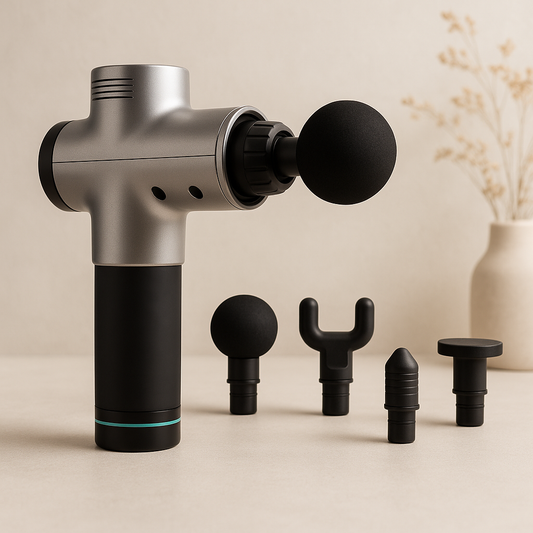
Recovery also protects consistency. After cycling, rowing, or running, use light mobility work for calves, hips, and upper back. Massage balls and targeted recovery tools can help address tight areas between sessions. Virfit supports this full routine: train with purpose, then recover well enough to train again.
How to Choose Your Home Cardio Machine
Use this checklist before buying:
- Measure your full training footprint and storage height.
- Match the machine to your most likely weekly workout.
- Choose magnetic resistance for quieter apartment use.
- Check capacity against your body weight with room to spare.
- Buy a treadmill only if you will truly run or incline walk.
- Choose a bike for compact, quiet, low-impact conditioning.
- Choose a rower for full-body work and enough floor length.
- Choose an elliptical for standing cardio with reduced impact.
- Budget for a protective mat and basic recovery tools.