How to Improve Workout Consistency Every Week
Share
Missing workouts usually starts before the workout begins. The plan is too long, too hard, or too dependent on motivation. Learning how to improve workout consistency means building a routine that still works on busy, low-energy days. Train smarter. Recover better. Keep the next session easy to start.
Stop Building a Plan for Your Best Day
A perfect weekly program looks great on paper. It often fails in real life. Work meetings run late. Sleep gets interrupted. Soreness shows up. Your available space may be shared or noisy.
Build your training week around your average day instead. Start with three scheduled movement windows. Give each window a realistic length, such as 20 to 30 minutes. Leave one extra day open for a missed session.
This approach removes the all-or-nothing trap. If Tuesday falls apart, your week is not ruined. You still have a clear next move.
Choose a training time that already has an anchor. Train after coffee, after work, or before your evening shower. The cue matters more than the perfect hour. Repeating the same sequence helps your brain expect movement.
Set a minimum session
Your minimum session is the workout you can complete on a hard day. It should feel almost too easy. That is the point.
Try a 10-minute movement block. Include a brief warm-up, a few controlled strength movements, and light mobility work. The goal is not maximum effort. The goal is keeping the appointment.
A short session protects your identity as someone who trains. Often, starting for 10 minutes leads to more. If it does not, you still kept the habit alive.
Make the First Two Minutes Effortless
Most skipped workouts are friction problems. You have to find space, decide what to do, change clothes, and negotiate with yourself. Reduce those decisions before they arrive.
Keep your workout plan visible. Write the next session on a calendar or note. Do not wake up wondering what to train. Decision fatigue drains consistency fast.
Prepare your environment the night before. Clear a small training area. Put your water nearby. Set out comfortable clothes. If you train upstairs, choose controlled, low-impact movements when neighbors are home.
You do not need a dedicated gym room. You need a repeatable starting point. A clear floor area can become your cue to move.
Use a fixed warm-up
A familiar warm-up lowers resistance. It also gives your joints time to prepare. Use the same simple sequence for several weeks: easy marching, hip circles, shoulder rolls, and controlled bodyweight squats.
Avoid changing everything every session. Variety can be fun, but too much variety creates more choices. Save experimentation for one planned session each week.
Match Your Workout to Your Real Schedule
Consistency does not require daily hard training. It requires an honest workload. Your plan should match your job, sleep, family demands, and recovery capacity.
For many adults, three strength-focused sessions and two lighter movement days work well. Others do better with four short sessions. It depends on your experience, stress level, and available time.
Use three session types:
- Build days: Focus on progressive strength work and controlled effort.
- Move days: Use easy mobility, walking, stretching, or relaxed conditioning.
- Reset days: Prioritize rest, sleep, hydration, and gentle movement.
- Backup days: Complete your minimum session when the original plan changes.
Do not punish yourself with an intense catch-up workout. That choice often creates excess soreness, missed days, and frustration. Resume your normal plan instead.
Track the Actions That Create Results
The scale, mirror, and performance numbers can change slowly. If those are your only scorecards, motivation can fade. Track the actions you control.
Mark each completed session. Record your start time, energy level, and one sentence about how it felt. This takes less than a minute. After several weeks, you will spot patterns.
Maybe evening workouts fail after poor sleep. Maybe your best sessions happen on lunch breaks. Maybe a recovery day prevents the weekend slump. Data helps you adjust without guessing.
A useful weekly target is simple: complete the planned sessions, not perfect sessions. An imperfect workout still counts when it supports the habit.
Use the never-miss-twice rule
One missed workout is normal. Two missed workouts can become a pattern. When you miss a session, schedule the next small action immediately.
That action might be five minutes of mobility tomorrow morning. It might be a short walk after dinner. Keep the restart small enough that excuses have nowhere to hide.
This rule is not about guilt. It is about shortening the gap between intention and action.
Recover Like It Is Part of Training
Hard sessions feel productive. Recovery creates the capacity to repeat them. If your body feels beaten down, your routine will eventually break.
Start with the basics. Aim for regular sleep, enough water, balanced meals, and daily movement outside formal workouts. These habits support energy, joint comfort, and training readiness.
Pay attention to soreness. Mild soreness can be normal after a new challenge. Sharp pain, swelling, numbness, or pain that changes your movement needs professional guidance. Do not try to outwork a warning signal.
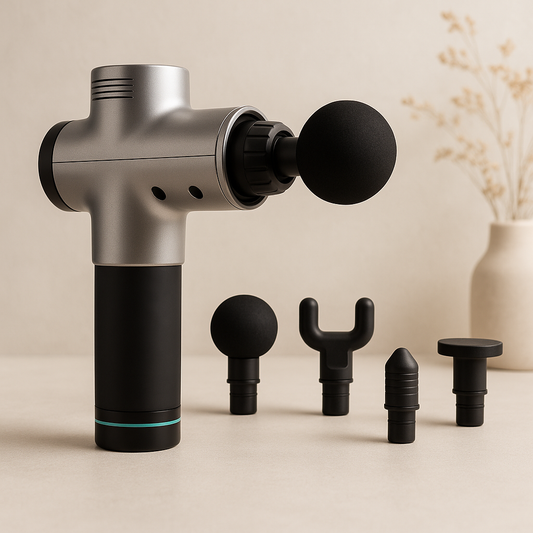
Use mobility work when it helps you feel better and move more freely. Keep it practical. A few focused minutes after training can be easier to sustain than a long routine you avoid.
Recovery also includes effort management. You do not need every set to feel like a test. Leave room for good form, steady breathing, and another quality session later this week.
Build Flexibility Into the Plan
Rigid plans create fragile habits. Create two versions of every workout: the full version and the condensed version.
Your full version may take 30 minutes. Your condensed version may take 12. Both should serve the same broad goal. The shorter version simply uses fewer movements or rounds.
This works especially well for home and hybrid routines. A demanding travel day, small space, or unexpected responsibility does not need to erase training. You adapt the dose, then keep moving.
Be careful not to make condensed sessions your default forever. They maintain momentum, but progressive challenge still matters. Use them when needed, then return to your normal workload.
How to Choose Tools That Support Consistency
Equipment should remove friction, not create it. Before buying anything, know exactly where it will live and how often you will use it. A useful setup fits your space, goals, and noise limits.
Use this buyer's guide checklist before adding any home fitness item:
- Confirm the footprint dimensions when stored and when in use. Measure your clear floor area first.
- Verify the stated weight capacity against every expected user. Never estimate this from appearance.
- Check the resistance type or motor horsepower. Choose a level that matches your training goal.
- Assess the noise level for apartments, upstairs rooms, early mornings, and shared walls.
- Consider setup time, storage demands, grip comfort, and required ceiling clearance.
- Choose versatile gear only when you will use its main function weekly.
Your routine does not need more pressure. It needs a plan you can repeat when life gets busy. Set the minimum. Protect recovery. Show up for the next available session. Those ordinary repetitions become real progress.