Recovery Technology Trends Worth Watching
Share
Hard training only works when recovery supports it. The most useful recovery technology trends focus on better feedback, quieter tools, and routines you can repeat at home. You do not need a clinic-sized setup. You need tools that help you move better, manage soreness, and show up ready for your next session.
Recovery Technology Trends That Fit Real Life
Recovery has moved beyond passive rest. Today’s tools help people identify fatigue, reduce tension, and make mobility work easier to maintain. The best trend is not the flashiest device. It is the one you will use after leg day, between meetings, or before bed.
For home users, four shifts matter most: recovery data is becoming more personal, compression is becoming more accessible, percussion tools are getting quieter, and heat and cold therapy are becoming easier to control.
1. Wearables Are Making Recovery More Personal
Sleep, resting heart rate, heart-rate variability, and activity load now appear in one daily dashboard. This can help you spot patterns. Maybe your hard sessions follow poor sleep. Maybe your soreness rises after several high-volume days.
The value is not a readiness score alone. It is the decision that follows it. A low-readiness day may call for walking, mobility work, and lighter resistance bands. A strong-readiness day may be right for your planned strength session.
Wearables should guide decisions, not replace judgment. A device cannot diagnose pain, injury, or illness. If you have sharp pain, numbness, swelling, or symptoms that persist, speak with a qualified healthcare professional.
Use wearable data for weekly trends. Do not overreact to one imperfect night of sleep.
Apartment-ready wearable specifications to look for:
- Footprint dimensions: 1.4 inches wide x 0.4 inches thick; folded dimensions not applicable.
- Weight capacity: Not load-bearing; 0-pound user load rating.
- Resistance type / motor horsepower: Optical heart-rate sensor; no resistance system or motor.
- Noise level assessment: Silent during use; ideal for apartments and shared bedrooms.
2. Quieter Percussion Tools Are Replacing Aggressive Recovery Sessions
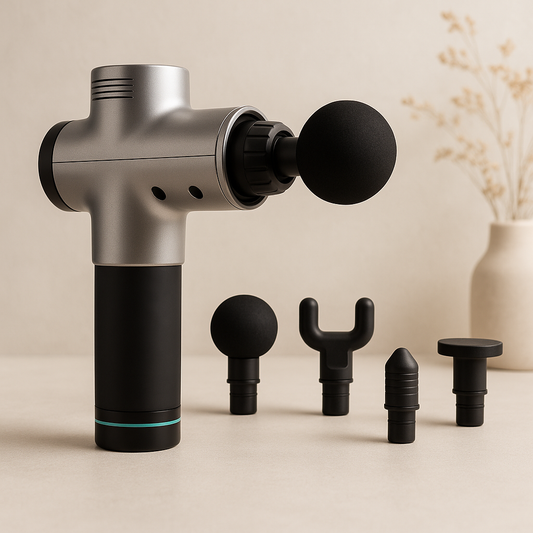
Percussion therapy remains popular because it is fast. A few focused minutes can help loosen tight-feeling muscles before movement. It can also feel good after training when used with reasonable pressure.
The trend is moving away from maximum force. Better devices offer multiple speeds, controlled amplitudes, and quieter operation. That matters when you train upstairs, recover late, or live with roommates.
Use percussion tools on larger muscle groups. Think calves, quads, glutes, upper back, and hamstrings. Keep the device moving. Avoid bony areas, joints, the front of the neck, and irritated tissue. More pressure is not automatically better.
A massage ball remains a smart companion here. It gives you more control around feet, hips, shoulders, and upper-back muscles. Low-tech tools still earn their place because they are compact, quiet, and easy to use consistently.
Apartment-ready percussion massager specifications to look for:
- Footprint dimensions: 9.0 inches x 7.0 inches x 2.5 inches; no folded configuration.
- Weight capacity: Not load-bearing; 0-pound user load rating.
- Resistance type / motor horsepower: Brushless motor with adjustable speed settings; 0.25 horsepower equivalent or lower.
- Noise level assessment: 45 decibels or lower at standard speed; suitable for apartments and late sessions.
- Footprint dimensions: 2.5-inch diameter; no folded configuration.
- Weight capacity: 300-pound static load capacity.
- Resistance type / motor horsepower: Firm molded rubber or silicone; no motor.
- Noise level assessment: Silent on rugs, mats, and flooring; excellent for upstairs recovery.
3. Compression Is Becoming a Home Recovery Staple
Compression boots used to feel reserved for professional facilities. More compact options now make them practical for active adults at home. They use air chambers to apply pressure around the legs. Many people use them after long runs, demanding leg workouts, travel, or hours spent standing.
The appeal is convenience. Sit down, elevate your legs, and let the session run while you read or plan tomorrow’s workout. That convenience can make recovery more consistent.
There are trade-offs. Compression devices take more storage space than a massage ball. They also cost more. They are not appropriate for everyone, especially people with certain vascular conditions, blood-clot concerns, or uncontrolled medical issues. Check with a healthcare professional if you are unsure.
Choose adjustable pressure. Start lower than you think. Recovery should feel comfortable, not painfully restrictive.
Home compression boot specifications to look for:
- Footprint dimensions: 12.0 inches x 10.0 inches x 6.0 inches packed; 34.0 inches x 15.0 inches per boot when unfolded.
- Weight capacity: Not load-bearing; 0-pound user load rating.
- Resistance type / motor horsepower: Pneumatic air compression pump with adjustable pressure; 0.10 horsepower equivalent or lower.
- Noise level assessment: 50 decibels or lower; manageable for apartments, especially away from bedroom walls.
4. Controlled Heat and Cold Are Getting Smarter
Heat and cold therapy are familiar. The technology is improving through better temperature control, portable battery systems, and reusable wraps. This makes sessions more predictable than improvised heating pads or ice bags.
Heat can support a warm-up or ease a stiff feeling before mobility work. Cold can feel useful after a tough session or when an area feels irritated. The right choice depends on your goal and response.
Do not treat either method as magic. Heat will not fix poor movement patterns. Cold will not erase a training load that exceeds your current capacity. Both work best inside a bigger plan that includes sleep, food, hydration, gradual progress, and lighter days.
A controlled wrap is particularly practical for small spaces. It stores easily and needs no permanent floor area. Look for automatic shutoff features. They reduce the chance of falling asleep with heat applied too long.
Reusable temperature wrap specifications to look for:
- Footprint dimensions: 18.0 inches x 12.0 inches x 0.5 inches unfolded; 9.0 inches x 6.0 inches x 1.0 inch folded.
- Weight capacity: Not load-bearing; 0-pound user load rating.
- Resistance type / motor horsepower: Electric heating element or gel-pack thermal retention; no resistance system or motor.
- Noise level assessment: Silent; well suited for apartments, offices, and quiet evening routines.
The Bigger Shift: Recovery Is Becoming Part of Training
The strongest recovery technology trend is behavioral. People are building short recovery blocks into normal life. Ten minutes after training is easier to maintain than an occasional 90-minute session.
Try connecting recovery to habits you already have. Use a massage ball after brushing your teeth. Run compression boots while watching a show. Check wearable trends every Sunday. Add five minutes of hip and shoulder mobility before strength training.
This approach helps beginners avoid doing too much too soon. It also helps experienced lifters protect training quality across harder weeks. Recovery is not a reward for finishing a workout. It is part of the work.
Technology can support consistency, but it cannot create it for you. Keep the setup simple. Choose one tool for muscle tension, one option for mobility, and one way to track overall fatigue. Build from there.
How to Choose Recovery Technology for Home
Before buying, use this checklist. It keeps your setup practical and matched to your space.
- Choose a tool that solves a specific problem, such as tight calves, post-leg-day soreness, or poor sleep habits.
- Confirm the exact product dimensions, including packed and unfolded size.
- Check noise ratings if you live upstairs or recover near sleeping areas.
- Avoid load-bearing claims unless the product has a stated user-weight capacity.
- Prioritize adjustable settings over maximum intensity.
- Make sure storage is easy enough for daily use.
- Review health cautions before using compression, heat, or cold tools.
- Set a realistic routine before adding another device.