Are Neck Massagers Safe? Smart Recovery Rules
Share
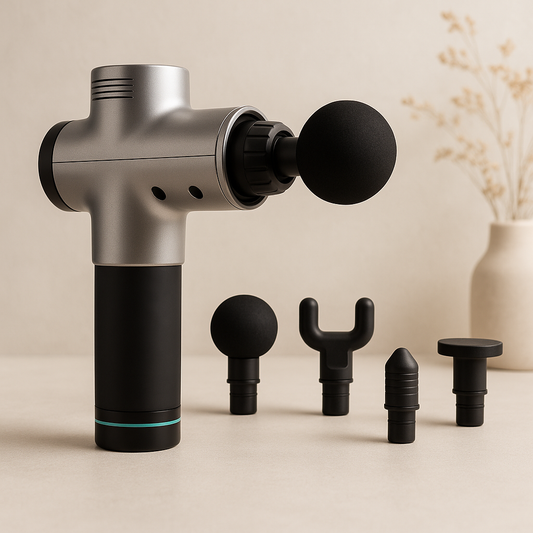
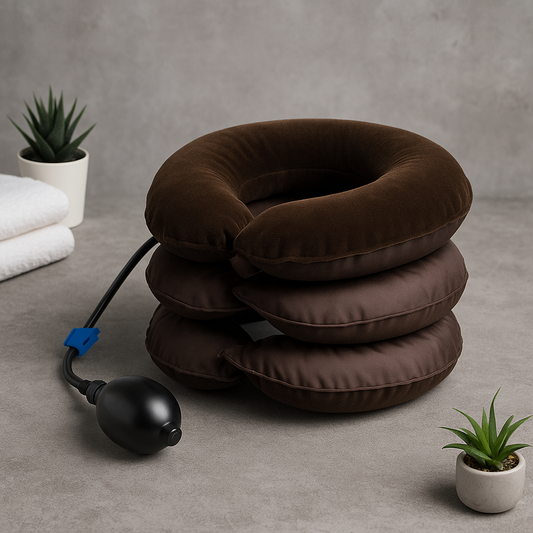
A tight upper trap after laptop work feels like it needs immediate attention. But are neck massagers safe when used at home? Usually, yes - if you use the right pressure, placement, and session length. Used carelessly, a neck massager can aggravate soreness, irritate sensitive tissue, or mask a problem that needs medical care.
For most active adults, a neck massager is a recovery tool. It is not a replacement for diagnosis, rehab, or better movement habits. Train smarter. Recover better. Start with safe technique.
Are Neck Massagers Safe for Most People?
Neck massagers can be safe for healthy adults with ordinary muscle tension. This includes stiffness after strength training, long drives, desk work, or poor sleep positions. Gentle massage may help muscles relax and can make your neck feel easier to move.
The key word is gentle. The neck contains major blood vessels, nerves, joints, and delicate structures. More pressure does not mean better recovery. A deep, painful setting may leave you more guarded the next day.
A good session should feel relieving, not punishing. Mild tenderness during massage can be normal. Sharp pain, tingling, dizziness, nausea, numbness, or a headache are not normal. Stop immediately if any of these symptoms appear.
What a Neck Massager Can and Cannot Do
A neck and shoulder massager works best on muscular tension. Think upper traps, the muscles beside your shoulder blades, and the broad muscles around the back of your neck. It may provide short-term comfort after training or a demanding workday.
It cannot fix every cause of neck pain. A massager will not correct a pinched nerve, heal a disc injury, treat a fracture, or solve persistent posture issues by itself. If pain keeps returning, look beyond the symptom. Your workstation setup, training volume, sleep position, and mobility habits may need attention.
Use massage as one part of recovery. Pair it with easy neck movement, shoulder mobility, hydration, sleep, and sensible training progressions.
Use It Where Muscles Are, Not Where Structures Are Vulnerable
Keep massage focused on the muscular areas around the neck and shoulders. Avoid pressing directly on the front or sides of your neck. Do not use heavy pressure over the throat, carotid artery area, spine, or the base of the skull.
For many people, the safest placement is across the upper shoulders. Let the massage heads contact the upper traps first. Then reposition slightly toward the muscle between the shoulder blade and neck. Keep your head neutral. Do not force your chin down or twist your neck against the device.
If your device has heat, use it carefully. Heat can feel great on stiff muscles. It also makes it easier to miss early signs of excessive pressure. Start without heat if you are unsure how your body will respond.
A Safer Starting Session
Start with the lowest comfortable intensity for five minutes. Check how you feel during the session and again an hour later. If your neck feels looser without lingering soreness, you can gradually work up to 10 or 15 minutes.
Avoid repeated sessions all day. Muscles need recovery from pressure too. One short session is often enough. Use a second session only if the first caused no irritation.
Do not fall asleep with a neck massager running. You cannot respond to discomfort or reposition if pressure becomes too intense. Use automatic shutoff as a backup, not a reason to leave the device unattended.
Check These Specifications Before You Buy
A neck massager should fit your body, your home, and your recovery needs. Product designs vary widely. Do not assume one model will feel like another.
For each model, confirm these exact specifications on the product page, packaging, or instruction manual:
- Footprint dimensions, unfolded: Record the full width, depth, and height in inches. This matters for storage, chair use, and travel.
- Footprint dimensions, folded: If the device folds, record its stored dimensions in inches. A compact design is easier to keep within reach.
- Weight capacity: Most wearable neck massagers do not have a user weight capacity. If using a massage chair pad or seat-based unit, follow its stated maximum user weight exactly.
- Resistance type or motor horsepower: Neck massagers use an electric motor, not workout resistance. Motor horsepower is rarely listed. Look instead for the exact number of massage nodes, speed settings, rotation direction, heat settings, and automatic shutoff time.
- Noise level assessment: Many units produce a low mechanical hum. Check reviews for sound concerns if you live in an apartment, share walls, or plan to recover late at night. A quieter device is better for relaxed, consistent use.
Who Should Skip a Neck Massager or Ask First?
Some people should not self-treat neck pain with a massager. Others need clearance from a qualified clinician before using one.
Avoid use and seek medical advice first if you have recent neck trauma, unexplained severe neck pain, a known cervical spine condition, osteoporosis, a bleeding disorder, or a history of blood clots. The same caution applies if you take blood-thinning medication or have reduced sensation in the area.
Pregnancy can also change what feels comfortable and appropriate. Gentle shoulder massage may be fine for some people, but it is smart to ask your prenatal care team first.
Be especially cautious if symptoms travel beyond your neck. Pain shooting down an arm, hand weakness, numbness, balance problems, vision changes, faintness, or a sudden severe headache need professional assessment. Do not try to massage those signs away.
Common Mistakes That Turn Relief Into Irritation
The most common mistake is chasing pain. Some users assume intense pressure means knots are breaking up. In reality, excessive pressure can trigger muscle guarding and soreness. Your body tenses to protect itself.
Another mistake is using a massager right after a strain. If you felt a sharp pull during a lift, tackle, fall, or workout, skip the device. Use appropriate first steps and get evaluated when pain is severe or movement is limited.
Poor positioning also matters. Slouching into a couch while a heavy massager pulls on your neck can increase strain. Sit upright with your shoulders supported. Keep both feet planted when possible.
Finally, do not use a neck massager as permission to ignore your routine. If your upper traps tighten after every workout, review your technique. Heavy shrugs during pressing, rushed warm-ups, and high stress can all keep the cycle going.
Build a Better Recovery Routine
A neck massager works best after you lower the daily load on your neck. Take brief movement breaks during screen time. Adjust your monitor closer to eye level. Avoid gripping your phone between your shoulder and ear.
After an upper-body workout, add a few easy shoulder rolls and controlled neck turns. Keep the range comfortable. Then use your massager for a short, low-intensity session if your muscles still feel tight.
You can also alternate recovery tools. A massage ball is useful for the upper back against a wall. Light resistance-band work can strengthen the muscles supporting your shoulder blades. Virfit recovery and mobility tools are built for this practical approach: targeted support without overcomplicating your routine.
How to Choose a Neck Massager Safely
Use this checklist before making a decision:
- Choose adjustable intensity, not one aggressive fixed setting.
- Confirm the exact unfolded and folded dimensions for your space.
- Check the device weight and make sure it will not drag on your neck.
- Look for an automatic shutoff function.
- Verify whether heat can be turned off independently.
- Read the stated contraindications and care instructions.
- Consider motor noise if you recover in an apartment or shared home.
- Choose a model designed for shoulders and upper traps, not direct throat pressure.