Las 12 mejores selecciones de equipos de entrenamiento para gimnasio en casa
Compartir
No necesita un garaje de repuesto, una pared de máquinas o un presupuesto gigantesco para construir una configuración que realmente se utilice. El mejor equipo de entrenamiento para el gimnasio en casa es el equipo que se adapta a su espacio, se alinea con sus objetivos y le ayuda a ser constante en los días de semana ajetreados, en los descansos cortos para el almuerzo y en los días de baja motivación.
Esa última parte es la que más importa. Un gimnasio en casa debe eliminar la fricción, no crearla. Si su equipo es demasiado voluminoso, demasiado complicado o demasiado especializado, a menudo se convierte en un costoso desorden. La configuración más inteligente es práctica, versátil y está lista cuando usted lo está.
¿Qué hace que el equipo de entrenamiento para el gimnasio en casa sea el mejor?
La respuesta depende de cómo entrene, pero siempre se mantienen algunos estándares. Un buen equipo para el hogar debe justificar su espacio. Debe admitir múltiples ejercicios, funcionar para más de un nivel de condición física y ser lo suficientemente duradero para soportar el uso regular sin sentirse endeble.
La asequibilidad también importa, pero lo barato no siempre es rentable. Una pieza de baja calidad que se desgasta rápidamente o se siente inestable durante los entrenamientos puede romper su rutina tan rápidamente como la ausencia de equipo. Construido para el rendimiento y diseñado para la vida real, generalmente significa elegir equipos que le brinden opciones, no solo un movimiento aislado.
Para la mayoría de las personas, la mejor configuración incluye una combinación de herramientas de fuerza, core, acondicionamiento, movilidad y recuperación. Esa combinación le ayuda a entrenar de forma más inteligente y a recuperarse mejor, lo que es lo que mantiene el progreso.
El mejor equipo de entrenamiento para el gimnasio en casa para la mayoría de las personas
Si está construyendo desde cero o actualizando una configuración básica, estas son las piezas que le brindan la mayor flexibilidad sin ocupar su hogar.
Bandas de resistencia
Las bandas de resistencia son una de las victorias más fáciles en el fitness en casa. Son compactas, asequibles y útiles para el entrenamiento de fuerza, calentamientos, trabajo de movilidad y ejercicios de rehabilitación. Los principiantes pueden usarlas para aprender patrones de movimiento con control, mientras que los usuarios más avanzados pueden añadirlas a sentadillas, prensas, remos y progresiones de dominadas.
Su mayor ventaja es el rango. Un conjunto puede servir para el trabajo de la parte superior del cuerpo, el entrenamiento de la parte inferior del cuerpo, estiramientos, ejercicios de activación y entrenamientos de viaje. La desventaja es que algunas personas superan rápidamente las bandas más ligeras, por lo que ayuda elegir un conjunto con múltiples niveles de resistencia.
Barra de dominadas
Una barra de dominadas ofrece un valor significativo para el entrenamiento de la parte superior del cuerpo y el core. Dominadas, dominadas con agarre supino, elevaciones de rodillas colgando, colgamientos muertos y trabajo de agarre, todo proviene de una herramienta simple. Si su objetivo es mejorar la fuerza de la espalda, la estabilidad de los hombros y el control del peso corporal, esta es una de las adiciones más sólidas que puede hacer.
Requiere compatibilidad con el marco de una puerta o una opción de montaje segura, por lo que no es ideal para todos los hogares. Pero si su espacio lo permite, una barra de dominadas añade desafío sin ocupar espacio en el suelo.
Rueda abdominal
Una rueda abdominal parece simple, pero no es un juguete para principiantes. Usada correctamente, entrena el core de una manera que las planchas por sí solas a menudo no lo hacen. Obtiene fuerza anti-extensión, activación de los hombros y tensión en todo el cuerpo, todo lo cual se traduce en un levantamiento más fuerte y un mejor control del movimiento.
La clave es la progresión. Las salidas más cortas desde las rodillas pueden ser bastante desafiantes al principio. Para las personas que quieren más de su entrenamiento de core sin añadir una máquina grande, esta es una opción inteligente y compacta.
Mancuernas ajustables o pesas libres compactas
Si tiene presupuesto, las mancuernas ajustables son una de las mejores inversiones que puede hacer en un gimnasio en casa. Permiten realizar prensas, remos, sentadillas, zancadas, cargas y una gran cantidad de trabajo accesorio. Con el rango de peso adecuado, pueden mantener una rutina de cuerpo completo durante mucho tiempo.
La desventaja es el coste. Suelen ser más caras que las bandas o las herramientas de peso corporal, y algunos modelos tardan más en ajustarse entre series. Aun así, para el entrenamiento de fuerza en casa, pocas piezas son más útiles.
Cuerda para saltar
Una cuerda para saltar es una de las herramientas de acondicionamiento más eficientes que puede poseer. Mejora la coordinación, el juego de pies y la resistencia cardiovascular en muy poco espacio. También funciona bien para sesiones cortas cuando desea un final rápido para quemar calorías sin configurar una máquina de cardio más grande.
Dicho esto, no es perfecta para todos los apartamentos ni para todas las articulaciones. Si el impacto o el ruido son una preocupación, una alternativa de bajo impacto podría tener más sentido.
Asas para flexiones o paralelas
Las asas para flexiones mejoran un movimiento básico al mejorar la comodidad de la muñeca y aumentar el rango de movimiento. Esto hace que las flexiones sean más accesibles para algunas personas y más desafiantes para otras. También abren la puerta a ejercicios de peso corporal como las L-sits, los toques de hombros y las flexiones modificadas, según el diseño.
Para ser una herramienta pequeña, hacen mucho. Si el entrenamiento en el suelo forma parte de su rutina, vale la pena considerarlas.
Equipo para la fuerza sin un soporte completo
Mucha gente asume que el entrenamiento de fuerza serio en casa comienza con un banco y una barra. Para algunos levantadores, eso es cierto. Pero para la mayoría de los hogares, no es el primer paso más práctico.
Un camino mejor suele ser modular. Bandas de resistencia, mancuernas ajustables, una barra de dominadas y algunos accesorios de peso corporal pueden cubrir prensas, tirones, sentadillas, bisagras y trabajo de core en un espacio mucho más pequeño. Puede que no alcance los números máximos de la barra, pero puede construir absolutamente fuerza, músculo y consistencia.
Aquí es donde la selección inteligente de productos es importante. En lugar de perseguir la configuración más grande que pueda imaginar, concéntrese en equipos que apoyen un entrenamiento repetible. El mejor equipo de entrenamiento para el gimnasio en casa suele ser el equipo que le ayuda a entrenar de tres a cinco veces por semana, no el equipo que se ve impresionante en una foto.
No se salte el equipo de recuperación y movilidad
El entrenamiento en casa va mejor cuando la recuperación forma parte de la configuración, no es una idea de última hora. El dolor, las caderas tensas, los hombros rígidos y las rodillas sobrecargadas pueden convertir una buena rutina en una inconsistente rápidamente.
Bolas de masaje y herramientas de recuperación
Las bolas de masaje son pequeñas, asequibles y sorprendentemente eficaces para un alivio específico. Funcionan especialmente bien en los pies, glúteos, parte superior de la espalda y puntos tensos alrededor de los hombros. Unos minutos de trabajo de liberación pueden hacer que las sesiones de movilidad se sientan mejor y que el trabajo de fuerza sea más fluido.
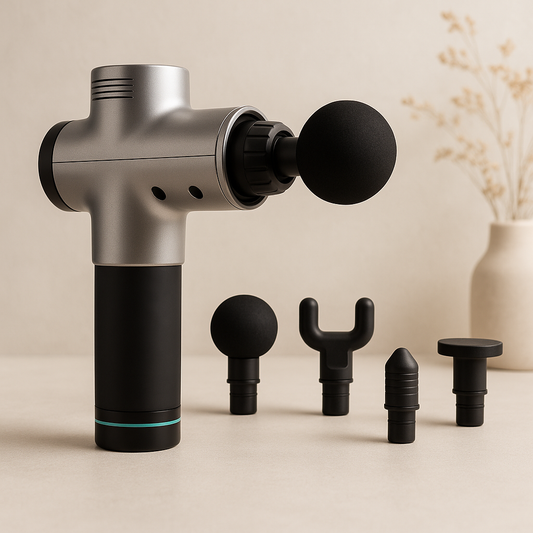
Las herramientas de recuperación más grandes y los masajeadores de mano también pueden ayudar, especialmente si entrena con frecuencia o se sienta durante largos períodos durante el día. No son soluciones mágicas, pero pueden reducir la fricción entre los entrenamientos.
Soporte para rodillas y articulaciones
El equipo de soporte como las rodilleras puede marcar una verdadera diferencia para las personas que manejan el malestar, que regresan al entrenamiento o que desean añadir confianza a las sesiones de la parte inferior del cuerpo. El objetivo no es depender del soporte en lugar de buenos hábitos de movimiento. Se trata de hacer que el entrenamiento sea más cómodo y sostenible cuando se necesita esa ayuda extra.
Colchoneta de yoga y accesorios de movilidad
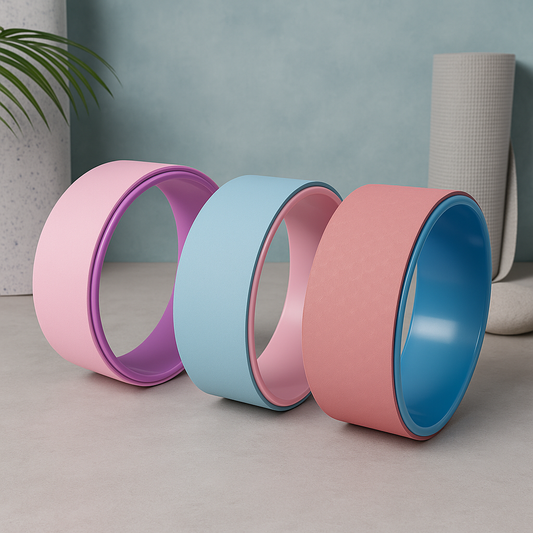
Una colchoneta sólida crea un espacio de entrenamiento designado y hace que el trabajo en el suelo, los estiramientos, el yoga y los enfriamientos sean más fáciles de mantener. Los accesorios de movilidad pueden ir un paso más allá al ayudarle a mejorar el rango de movimiento, la postura y la calidad del movimiento.
Si tiene poco espacio, esta categoría merece más respeto del que suele recibir. Una colchoneta, bandas y algunas herramientas de recuperación pueden impulsar una rutina sorprendentemente completa.
Cómo elegir el equipo adecuado para sus objetivos
Si la pérdida de grasa y la forma física general son la prioridad, comience con herramientas versátiles de acondicionamiento y fuerza como bandas, una cuerda para saltar y una colchoneta. Si el objetivo es el desarrollo muscular, inclínese más hacia la resistencia ajustable, el trabajo de dominadas y la sobrecarga progresiva a través de mancuernas o bandas más fuertes.
Si está recuperando la constancia después de un tiempo de inactividad, no compre en exceso. Elija un equipo que le parezca lo suficientemente accesible como para usarlo de inmediato. Una configuración complicada puede ser motivadora durante dos días y luego ignorarse durante dos meses. Las herramientas más simples suelen ganar porque acortan la brecha entre la intención y la acción.
El espacio también debe guiar sus elecciones. El equipo apto para apartamentos suele ser compacto, silencioso y fácil de guardar. Una barra de dominadas de puerta, bandas de resistencia, asas para flexiones, una rueda abdominal y herramientas de recuperación pueden cubrir mucho sin hacer que su sala de estar parezca un gimnasio comercial.
El presupuesto importa, pero el valor importa más. Una pieza duradera que usa cuatro veces por semana supera a cinco artículos de moda que quedan en un armario. Ese es el filtro que vale la pena usar siempre.
Una configuración de gimnasio en casa práctica que funciona
Para la mayoría de las personas, una buena configuración inicial se parece a esto: bandas de resistencia, una barra de dominadas si su espacio lo permite, una rueda abdominal, una colchoneta y una o dos herramientas de recuperación. Añada mancuernas ajustables cuando su presupuesto lo permita y tendrá un gimnasio en casa que cubre fuerza, core, acondicionamiento, movilidad y recuperación sin ser excesivo.
Ese equilibrio es lo que hace que marcas como Virfit sean atractivas para las personas comunes que desean equipos que funcionen bien pero que se adapten a la vida real. No necesita una configuración perfecta. Necesita una que le ayude a presentarse.
El mejor equipo no es el artículo más llamativo del mercado. Es el equipo que mantiene su rutina lo suficientemente simple como para repetirla y lo suficientemente desafiante como para seguir funcionando. Comience con lo que se adapta a su vida ahora, entrene con un propósito y deje que su configuración crezca con su progreso.