Cheap Home Gym Workout Equipment That Works
Share
A solid workout setup does not need a squat rack, a mirror wall, and a four-figure budget. If you are searching for home gym workout equipment cheap, the real goal is simpler: get tools that help you train consistently, fit your space, and hold up over time.
That means skipping flashy machines that do one thing and take over the room. The better move is to build around versatile gear that covers strength, conditioning, mobility, and recovery. Train smarter. Spend less. Keep showing up.
What cheap home gym workout equipment should actually do
Cheap should not mean disposable. It should mean high value for the money. The best budget-friendly equipment gives you multiple exercises, works for different fitness levels, and stores easily when the session is over.
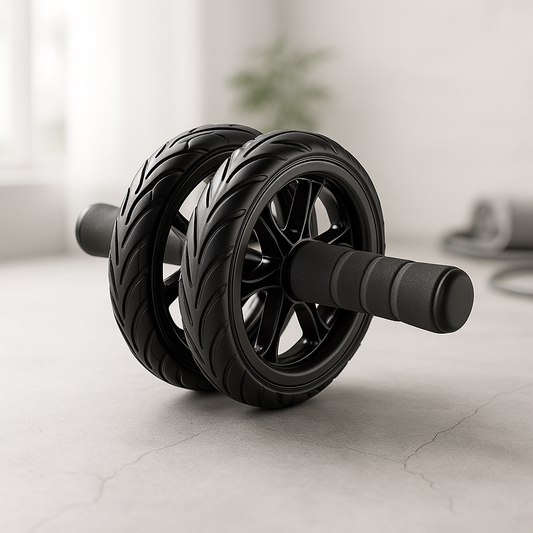
A resistance band set is a great example. One compact tool can support rows, presses, squats, glute work, shoulder activation, mobility drills, and stretching. A pull-up bar can become an upper-body strength station, a core tool, and even an anchor point for bands. An ab roller looks simple, but it can challenge your trunk, shoulders, and control in a way that still feels advanced after months of use.
This is where many people waste money. They buy based on hype instead of use frequency. A lower-cost item you use four times a week beats an expensive machine that turns into furniture.
Start with goals, not gear
Before you buy anything, think about what you want your home training to do. If your main goal is general strength and body composition, your equipment needs are different from someone focused on mobility, boxing drills, or recovery after long runs.
For most people, the smartest budget setup supports four needs: resistance training, core work, movement prep, and recovery. Cover those areas and you can build a routine that feels complete without filling your home with equipment.
If you are a beginner, keep it even tighter. You do not need ten products to start making progress. A few reliable pieces can carry you for months while you build form, confidence, and consistency.
The best categories to buy first
Resistance bands give you the most range
If there is one category that belongs in nearly every budget setup, it is resistance bands. They are affordable, portable, beginner-friendly, and still challenging for more advanced training. You can use them for warmups, strength sessions, assistance work, and recovery-focused mobility.
They also solve a major home gym problem: space. You can get full-body resistance work without needing a dedicated room. Bands are especially useful for people who want to train around joint discomfort because they often feel smoother and more forgiving than fixed machines.
The trade-off is that bands do not always offer the same loading feel as dumbbells or barbells. For pure maximal strength, they are not a total replacement. But for consistency, versatility, and cost, they are hard to beat.
Pull-up bars create a real training station
A pull-up bar is one of the fastest ways to add serious upper-body work at home. Pull-ups, chin-ups, hanging knee raises, dead hangs, and band-assisted variations all become possible with one compact piece of equipment.
For beginners, a pull-up bar is still worth it even if you cannot do a full rep yet. Use it for assisted work, grip development, and core training. For more experienced users, it adds progression without taking up floor space.
The key is choosing one that fits your doorway or mounting setup properly. Cheap is only smart if the equipment feels secure and durable in use.
Ab rollers are small, tough, and effective
An ab roller earns its spot because it delivers more than the name suggests. Yes, it trains the core, but it also challenges shoulder stability, trunk control, and tension through the whole body.
It is not the easiest tool for total beginners, so this is one of those it-depends purchases. If you are brand new to exercise, bands and bodyweight basics may be the better starting point. But if you can brace well and control your movement, an ab roller gives you a lot of training value for a low cost.
Recovery and mobility tools keep you training
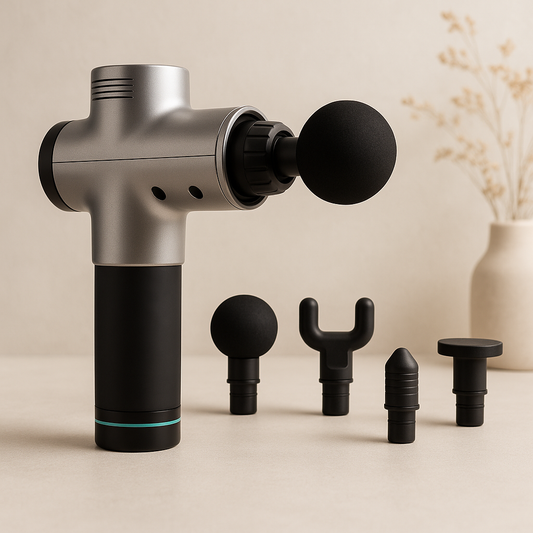
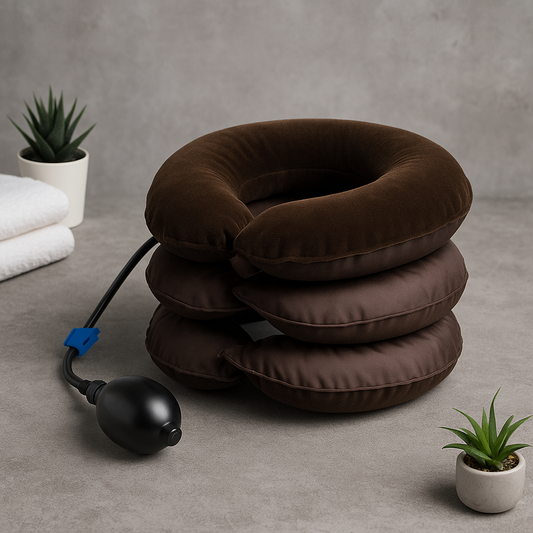
People often spend their full budget on workout gear and ignore what helps them stay consistent. That is a mistake. Massage balls, mobility accessories, and support tools can make a real difference when soreness, stiffness, or training strain starts to build.
A budget home setup works better when it helps you recover, not just work harder. If your shoulders get tight, your calves stay locked up, or your knees need support during high-volume sessions, adding simple recovery tools is a practical upgrade. They are not flashy, but they can be the reason you train again tomorrow.
How to build a cheap home gym without wasting money
The best strategy is to buy in layers. Start with the tools that give you the most exercise options per dollar, then add based on what your training actually needs.
A strong entry setup might include bands, a pull-up bar, and one core tool. That combination gives you pressing, pulling, squatting, hinging, core work, and mobility support. From there, you can add recovery accessories or sport-specific pieces if you know you will use them.
Try not to buy multiple products that solve the same problem. If you already have bands for rows, curls, presses, and lower-body work, you may not need several extra light-resistance tools right away. Keep the setup lean until your routine proves what is missing.
This is also where product quality matters. The lowest price is not always the best value. If a tool slips, tears, or wears out quickly, you will end up paying twice. Affordable equipment should still feel built for regular use.
A cheap setup for small spaces
Most people are not working with a garage gym. They are training in bedrooms, apartments, living rooms, or shared spaces. That makes compact equipment a better fit than oversized machines almost every time.
Look for gear that stores vertically, folds away, or fits into a closet or under a bed. Bands, ab rollers, massage tools, and doorway pull-up bars all work well because they leave your space usable when the workout is done.
This is one reason practical brands stand out. Good home fitness equipment is designed for real life, not just ideal conditions. Virfit’s approach fits that mindset well: performance-focused tools that support daily training without demanding a full gym footprint.
What to avoid when shopping for cheap home gym workout equipment
The biggest trap is buying for motivation instead of routine. A fancy piece of equipment can feel exciting for a week, but excitement is not the same as usability.
Be careful with large single-purpose machines, gimmicky products with exaggerated claims, and anything that lacks clear use cases in your weekly plan. If you cannot picture yourself using it at least two or three times a week, it probably does not belong in your starter setup.
Also watch for gear that looks affordable but skips durability. Thin materials, unstable mounting, weak handles, or poor grip surfaces can turn a good deal into a frustrating one. Budget gear should still inspire confidence when you train.
The smartest mindset: buy for consistency
The best home gym is not the one with the most equipment. It is the one that removes friction. It helps you train when time is short, when the weather is bad, when the gym is crowded, or when you only have twenty minutes.
That is why cheap home gym workout equipment can be such a smart investment when you choose well. A few versatile tools can support strength, conditioning, mobility, and recovery in a way that fits your schedule and your space.
Start simple. Pick equipment you will actually use. Let your routine earn the next upgrade. Progress does not care whether your setup is expensive. It cares whether you keep showing up.
Build around that, and your home gym will do exactly what it should: help you move better, train harder, and stay consistent for the long run.