Home Workout Equipment Trends 2026
Share
The old home gym setup used to mean one big machine and a lot of compromise. In 2026, the smarter move is modular gear, quieter equipment, and recovery tools that fit real homes. The biggest home workout equipment trends 2026 are all about saving space, reducing noise, and helping you stay consistent without turning your living room into a commercial gym.
What home workout equipment trends 2026 really look like
The biggest shift is simple. People are buying fewer single-use machines and more versatile tools. That matters if you live in an apartment, train in a spare bedroom, or need equipment you can move fast.
You can see the pattern across strength, conditioning, and recovery. Buyers want equipment that stores easily, works for multiple fitness levels, and does not punish the downstairs neighbor. Performance still matters. But convenience now decides whether gear gets used three times a week or gathers dust.
Compact strength gear is leading the market
Strength training at home keeps getting more practical. Large home gyms still have a niche, but compact tools are driving demand because they deliver more training options per square foot.
Adjustable resistance systems
Resistance bands, modular cable setups, and compact loading tools are replacing bulky fixed machines. They work well for beginners and advanced users because they scale without taking over the room.
Typical specifications for compact resistance systems:
- Footprint dimensions: folded 12 x 8 x 4 inches, unfolded setup range 3 x 4 feet
- Weight capacity: anchor points commonly rated for 300-600 pounds
- Resistance type / motor horsepower: layered latex resistance, tube resistance, or plate-loaded cable tension
- Noise level assessment: very low, usually apartment-friendly with minimal floor vibration
The trade-off is feel. Bands and portable systems do not fully match the stability of commercial cable stations. But for rows, presses, pulldowns, curls, and core work, they cover a lot of ground with a much smaller footprint.
Doorway and wall-mounted pull-up stations
Pull-up training is becoming more space-efficient. More buyers want bars and stations that mount cleanly or remove quickly after use.
Typical specifications for pull-up stations:
- Footprint dimensions: folded 38 x 8 x 6 inches, unfolded 38-50 inches wide with 10-24 inch wall projection
- Weight capacity: 220-440 pounds depending on mount type
- Resistance type / motor horsepower: bodyweight resistance
- Noise level assessment: low when installed correctly, moderate if doorway models shift during reps
This trend is practical, not flashy. A good pull-up setup supports back training, core work, hanging leg raises, and band-assisted progressions. It also works in smaller homes better than a full power rack.
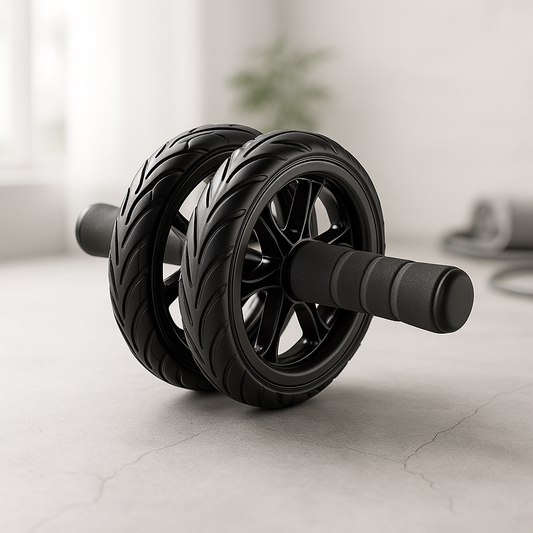
Ab rollers and compact core tools
Core equipment is getting simpler, not more complex. That is because buyers have learned that effective usually beats oversized.
Typical specifications for ab rollers and compact core gear:
- Footprint dimensions: folded 10 x 7 x 7 inches, unfolded 12-16 inches long
- Weight capacity: 220-330 pounds
- Resistance type / motor horsepower: bodyweight resistance with wheel-assisted rolling
- Noise level assessment: low on mats, moderate on hardwood without padding
The reason this category keeps growing is value. These tools are cheap, easy to store, and brutal when used correctly. For shoppers building a home gym on a budget, they make sense.
Quieter cardio is replacing oversized machines
Cardio is still part of the picture. But the trend is moving away from loud, heavy machines that dominate the room. In 2026, cardio buyers care more about noise, portability, and joint-friendly use.
Walking pads and compact treadmills
This is one of the clearest home workout equipment trends 2026. A foldable walking pad fits under a bed or desk. That means more daily movement without dedicating half a room to one machine.
Typical specifications for walking pads and compact treadmills:
- Footprint dimensions: folded 50 x 22 x 5 inches, unfolded 50-58 x 22-28 inches
- Weight capacity: 220-300 pounds
- Resistance type / motor horsepower: motorized belt, typically 1.0-2.5 HP
- Noise level assessment: low to moderate, best for apartments at walking speeds rather than sprints
The trade-off is obvious. Walking pads are great for steps, incline-free walks, and lighter cardio. They are not ideal if you want hard interval running. Still, for most people chasing consistency, they solve a bigger problem than they create.
Punching trainers and low-impact conditioning tools
Conditioning gear is getting more interactive without becoming complicated. Freestanding punching trainers, rebound tools, and speed-focused accessories offer conditioning in a smaller footprint than a bike or rower.
Typical specifications for punching trainers:
- Footprint dimensions: folded 15 x 15 x 50 inches, unfolded 20-24 inch base width with 50-65 inch height
- Weight capacity: base load support commonly 100-150 pounds when filled or weighted
- Resistance type / motor horsepower: rebound resistance, spring tension, or body-driven impact
- Noise level assessment: moderate, apartment-friendly if placed on dense mats and used with controlled striking
These tools fit buyers who get bored easily. They also work well in short sessions. Ten focused minutes can feel easier to stick with than a long cardio session on a machine.
Recovery and mobility equipment are no longer optional
One of the most important trends is not about harder training. It is about staying able to train. Recovery and mobility products have moved from bonus purchases to core home fitness equipment.
Massage balls, mobility tools, and braces
People now expect their home setup to support both exercise and recovery. That means more interest in products that reduce soreness, improve movement, and make training feel sustainable.
Typical specifications for recovery and mobility tools:
- Footprint dimensions: folded and unfolded usually under 8 x 8 x 8 inches per item
- Weight capacity: bodyweight-supported use, braces commonly sized for light to moderate compression support
- Resistance type / motor horsepower: manual pressure, bodyweight load, or elastic compression
- Noise level assessment: silent to very low, ideal for shared spaces
This category matters because consistency depends on comfort. Tight shoulders, irritated knees, and sore calves can derail a plan faster than a missed workout. Smart buyers are building recovery into the setup from day one.
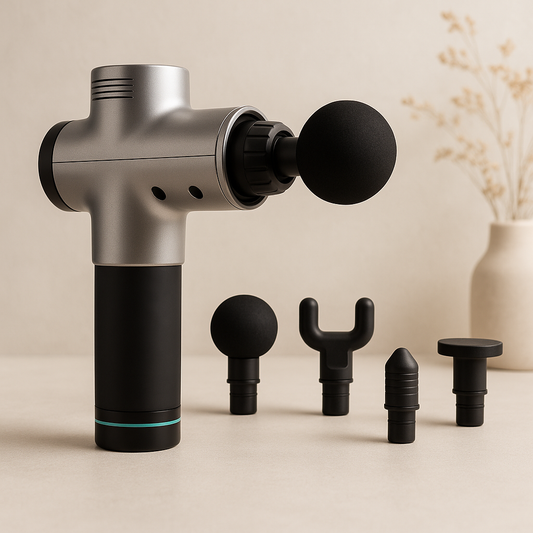
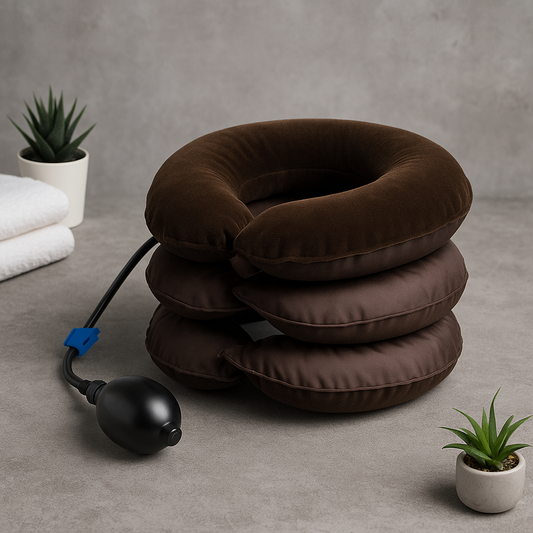
Portable massage devices and neck support tools
Recovery tech is becoming smaller and more targeted. Full-size massage chairs are out of reach for most homes. Compact recovery devices are not.
Typical specifications for portable massage devices:
- Footprint dimensions: folded 6 x 4 x 2 inches to 14 x 8 x 5 inches, unfolded similar depending on attachment
- Weight capacity: not weight-bearing, handheld or worn use
- Resistance type / motor horsepower: battery-powered percussion, vibration, or rolling massage motor systems
- Noise level assessment: low to moderate, suitable for apartments and evening use
The practical benefit is speed. If a recovery tool is easy to grab after a workout or during work breaks, it gets used. That is where real value shows up.
Space-saving design now beats size for size's sake
Bigger does not automatically mean better. One of the clearest buying patterns in 2026 is that equipment must earn its footprint.
That changes what people prioritize. Foldability matters. Vertical storage matters. Multi-use design matters. A resistance band set, pull-up bar, and recovery kit can cover more real needs than one oversized machine that is annoying to move and loud to use.
For upstairs users, this trend is especially important. Heavy impact equipment creates friction fast. Compact strength tools, mats, controlled conditioning gear, and quiet cardio options are simply easier to live with.
Smart features are staying, but only when useful
Connected fitness is still around. But buyers are getting less impressed by screens for the sake of screens. The winning products use tech to improve tracking, guidance, or convenience.
That means app-connected resistance tracking, compact cardio displays, and recovery tools with simple intensity control. It does not mean every product needs a subscription. In fact, many buyers now prefer equipment that works well without one.
This is good news for value-focused shoppers. It pushes the market toward practical upgrades instead of inflated price tags.
How to choose gear that matches these trends
Do not shop by hype. Shop by friction. If a piece of equipment is too loud, too big, or too limited, you will use it less.
Use this checklist before you buy:
- Measure your training area and storage area separately.
- Check unfolded and folded dimensions.
- Match weight capacity to the heaviest intended user.
- Look at resistance type before comparing price.
- For cardio, check motor power and intended speed range.
- For apartments, prioritize low noise and low floor vibration.
- Choose multi-use gear before single-function machines.
- Add at least one recovery or mobility tool.
- Think about setup time. Faster setup means better consistency.
- Build around your routine, not a fantasy version of it.
A practical setup usually wins. For many people, that means a pull-up bar, resistance bands, an ab roller, a conditioning tool, and simple recovery gear. That combination covers strength, core work, cardio support, and post-workout care without overwhelming your space or budget.
Virfit fits this direction well because the trend is not about chasing a showroom gym at home. It is about durable, versatile tools that help you train smarter, recover better, and keep showing up.
The best equipment in 2026 will not be the biggest or most expensive. It will be the gear that fits your space, respects your routine, and makes the next workout easier to start.