How to Recover After Home Workouts Faster
Share
Hard sessions build fitness. Recovery makes that fitness usable tomorrow. Learning how to recover after home workouts helps you avoid the cycle of soreness, skipped sessions, and stalled progress.
You do not need a spare bedroom or a complicated routine. You need a repeatable plan that fits your space, schedule, and training intensity. Train smarter. Recover better.
Start Recovery Before Your Workout Ends
Recovery begins with your final five to 10 minutes. Stopping immediately after hard intervals, resistance-band circuits, or a punching session can leave your breathing elevated and muscles tight.
Bring your heart rate down gradually. Walk around your room. March in place. Use slow bodyweight movements. Breathe through your nose when possible.
A simple cooldown can include gentle squats, arm circles, hip hinges, and easy spinal rotations. Keep the effort light. This is not another workout.
Then use calm breathing for two minutes. Try a longer exhale than inhale. For example, inhale for four seconds and exhale for six. This can help shift your body out of high-alert training mode.
Stretch What You Actually Trained
Stretching will not erase soreness. It can, however, restore a comfortable range of motion. That matters when you work at a desk, carry groceries, or train again tomorrow.
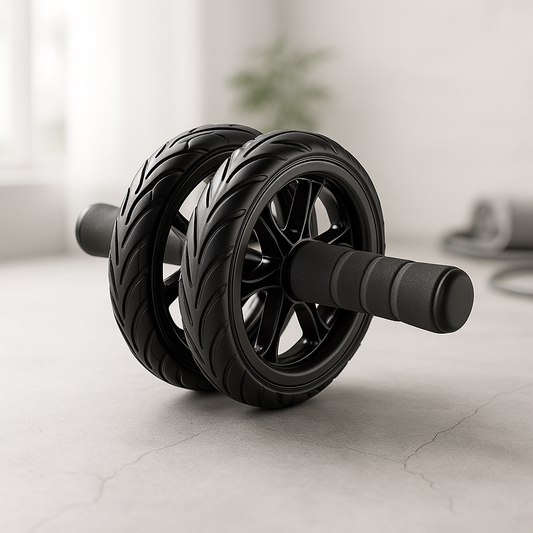
Match your stretches to the session. After push-ups or pull-up work, open your chest and lats. After lower-body training, focus on hips, calves, hamstrings, and glutes. After ab roller work, gently extend your hips and relax your shoulders.
Hold each position without forcing it. Mild tension is enough. Sharp pain is a stop signal.
For small apartments, choose floor-based mobility work. You need little room and create almost no noise. A folded towel can provide enough cushioning for kneeling or hip mobility drills.
Refuel for the Session You Did
Your body needs energy to repair and adapt. The harder or longer your workout, the more your post-workout meal matters.
Start with protein. Most active adults benefit from spreading protein across the day instead of relying on one huge dinner. A practical post-workout target is roughly 20 to 40 grams of protein, depending on body size, appetite, and total daily intake.
Add carbohydrates after demanding sessions. This is especially useful after high-rep leg work, long cardio, or back-to-back training days. Fruit, oats, rice, potatoes, bread, or cereal can help replenish energy stores.
You do not need a perfect meal within a narrow window. If you ate a balanced meal before training, your timeline is flexible. Still, eating within a few hours is a solid habit.
Hydration matters too. Drink water throughout the day, not only after you finish. If your session was hot, long, or unusually sweaty, include sodium through a meal or electrolyte drink. Clear urine all day is not the goal. Pale yellow is generally a more realistic sign of adequate hydration.
Treat Sleep Like Training Equipment
Sleep is your most powerful recovery tool. It costs nothing, fits every home gym, and affects strength, coordination, mood, and appetite.
One short night will not ruin your progress. Several short nights can make hard training feel harder. You may notice slower reactions, more cravings, reduced motivation, and lingering soreness.
Aim for a consistent sleep and wake time. Keep your bedroom cool and dark. Finish intense training early enough that you can settle down afterward.
If late workouts are your only option, extend your cooldown. Keep lights low after training. Avoid turning recovery into more stimulation with loud music, endless scrolling, or work emails.
Adjust the Next Session When Sleep Was Poor
Poor sleep does not always require a full rest day. It does call for better judgment.
After a rough night, reduce the load, total sets, or workout pace. Choose technique work, easy mobility, or a lower-impact session. Save max-effort circuits and high-volume training for days when you feel more recovered.
Consistency is not doing the same hard workout every day. Consistency is making the right training decision often enough to keep moving forward.
Know the Difference Between Soreness and a Warning Sign
Delayed-onset muscle soreness often appears 12 to 24 hours after unfamiliar or demanding exercise. It commonly peaks around one to three days later. Stiffness and tenderness can be normal, especially after adding volume or trying new movements.
Soreness should gradually improve. It should not make normal movement impossible.
Be more cautious with sharp pain, swelling, bruising, numbness, joint instability, or pain that changes your walking pattern. Stop the exercise that caused it. Seek guidance from a qualified healthcare professional when symptoms are severe, persistent, or worsening.
Do not try to "push through" joint pain to prove discipline. That approach can turn a manageable problem into a longer training break.
Use Active Recovery on Rest Days
Rest days do not need to mean staying still. Gentle movement can reduce stiffness and help you feel ready for your next workout.
Choose activity that feels restorative. A relaxed walk, easy cycling, light yoga, or a mobility session can work well. Keep the intensity low enough that you can speak in full sentences.
For upstairs living, low-impact movement is the better choice. Skip jumping circuits when your joints feel tired or neighbors are below you. Slow step-ups, controlled bodyweight work, and mobility flows are quieter options.
Active recovery should leave you feeling better afterward. If it drains you, it was training, not recovery.
Build a Recovery Routine You Will Repeat
The best plan is simple enough for busy weekdays. Try this sequence after most home workouts:
- Spend five minutes cooling down with easy movement and slow breathing.
- Complete three to five minutes of targeted mobility.
- Eat a protein-centered meal or snack within a few hours.
- Refill fluids steadily through the rest of the day.
- Plan tomorrow's session based on soreness, sleep, and energy.
Maybe leg circuits leave you sore for three days. Maybe late caffeine hurts your sleep. Maybe you recover well when you add a short walk after lunch. Those details are more useful than copying someone else's recovery routine.
When Recovery Tools Make Sense
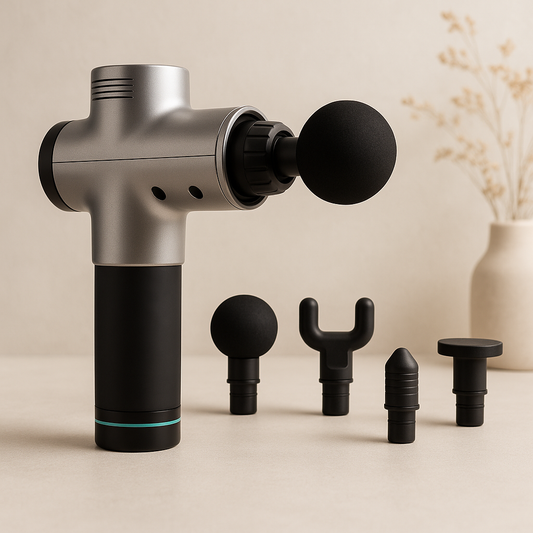
Recovery accessories can support your routine, but they do not replace sleep, food, or sensible programming. Use them to help you relax tight areas, improve comfort, and maintain mobility.
A massage ball can be useful for the feet, upper back, glutes, and chest. Use controlled pressure near a wall or on the floor. Avoid pressing directly on painful joints, the neck's front area, or fresh injuries.
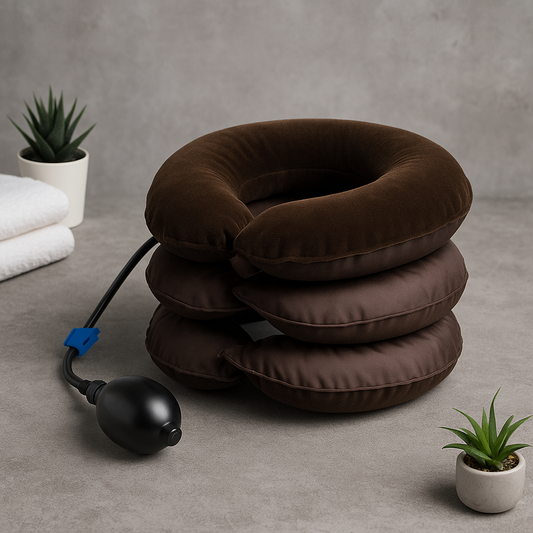
A neck and shoulder massager may feel helpful after desk work or upper-body sessions. Keep pressure comfortable. If it causes tingling, pain, or headaches, stop using it.
Knee support can provide confidence during activity for some people. It should not be used to hide pain from an injury. Fit and comfort matter more than tightening it as much as possible.
These tools work best as short additions to an already solid routine. Ten calm minutes can be useful. An hour of aggressive self-massage is rarely necessary.
How to Choose Recovery Gear for Your Home
Choose recovery gear that solves a real problem in your routine. Do not buy tools because they look intense or promise instant results.
Use this checklist before choosing any home recovery accessory:
- Identify the goal: muscle comfort, mobility, joint support, or relaxation.
- Measure your available storage space before ordering.
- Check the listed footprint dimensions, including folded and unfolded size.
- Confirm the stated weight capacity for any bodyweight-support product.
- Verify the resistance type or motor horsepower when applicable.
- Review the product's noise assessment, especially in apartments or upstairs rooms.
- Choose a tool you can use safely for five to 10 minutes.
- Avoid products that encourage painful pressure or unsafe positioning.