Neck Shoulder Massager Review for Recovery
Share
A stiff neck can derail training, sleep, and desk work. This neck shoulder massager review focuses on what delivers useful recovery support at home. The right device can ease everyday tightness between sessions. The wrong one can feel too aggressive, awkward, or underpowered.
A neck and shoulder massager is not a replacement for medical care. It is a recovery tool. Use it to support mobility work, hydration, walking, and smart training adjustments. Train Smarter. Recover Better.
What This Neck Shoulder Massager Review Measures
The best shoulder massagers use rotating massage nodes to target the upper traps, neck base, and shoulder blades. These are common tension zones after pressing, pull-ups, long commutes, and laptop work. The most effective models let you control pressure instead of forcing a fixed intensity.
Fit matters more than flashy features. A massager should sit across your shoulders without constantly slipping. Long arm straps are especially useful. They let you pull downward for deeper pressure or relax your grip for a gentler session.
Heat can make a session feel more comfortable. Still, heat is an extra, not the main event. Strong node placement, adjustable pressure, and simple controls matter more.
Core specifications to verify before buying
Physical specifications vary by model. Do not assume every neck massager has the same size, power, or noise output. Confirm these details on the individual product listing before ordering.
- Footprint dimensions, folded versus unfolded: Not standardized for this product category. Most neck shoulder massagers do not fold. Check the listed width, depth, and strap length for storage and body fit.
- Weight capacity: Not applicable. A neck shoulder massager is worn or held, not loaded with body weight.
- Resistance type / motor horsepower: Not applicable in fitness-equipment terms. Look instead for rotating shiatsu nodes, directional changes, massage speeds, and heat settings. Motor horsepower is rarely published for compact massagers.
- Noise level assessment: Usually low to moderate. Expect a soft mechanical hum from rotating nodes. It is generally apartment-friendly, but it may be noticeable in a quiet bedroom.
Pressure Is the Real Performance Feature
Many shoppers focus on heat first. Pressure control deserves more attention. Your upper traps may tolerate firm kneading after a hard pull workout. The side of your neck may not.
Look for arm loops or handles. They give you direct control over intensity. Pull the straps for deeper contact near the shoulder tops. Ease off when the nodes reach a sensitive area. This makes one device more useful for different body sizes and soreness levels.
A good session should feel intense but manageable. Sharp pain, tingling, numbness, or increased headache symptoms are signs to stop. More pressure does not always mean better recovery.
Node direction also changes the experience. Alternating rotation can feel less repetitive. It may better mimic hands moving across the muscle. Fixed-direction nodes can still work well, especially if the device has a comfortable shape and reliable speed.
Heat: Helpful, But Use It Strategically
Heat works best when muscles feel generally tight and guarded. It can make a short recovery session more relaxing after work. It may also help you settle into gentle neck movement afterward.
Avoid treating heat as a cure for every ache. Fresh swelling, acute injury, and inflamed areas need caution. If you have reduced sensation, circulation concerns, or a health condition affecting heat tolerance, ask a qualified clinician before use.
Automatic shutoff is a practical safety feature. It prevents an overly long session if you lose track of time. For most people, 10 to 15 minutes is enough. You can repeat later if your body responds well.
Comfort and Coverage Matter More Than Size
A compact device saves storage space. That is useful in apartments and small home gyms. Yet a very narrow massager may miss the upper trapezius muscles. A wider wrap can cover more shoulder area but may feel bulky on smaller frames.
Consider your main tension pattern. If discomfort sits at the neck base, choose a design with nodes positioned higher. If your shoulders feel tight after overhead training, prioritize wide shoulder coverage and long straps. If you need lower-back use too, check whether the device can be repositioned safely while seated.
The outer fabric also matters. Breathable mesh helps reduce the sticky feeling during longer sessions. A removable or wipeable cover makes routine cleaning easier. This is especially valuable if the massager is shared at home.
Who Benefits Most From a Neck Shoulder Massager?
This tool works well for active adults managing everyday muscle tightness. It suits home lifters, runners, hybrid workers, and beginners building a recovery routine. It is also useful when a gym massage chair is not practical or affordable.
Use it after training, not as a warm-up substitute. Five minutes of easy movement still prepares your body better than passive massage alone. Before strength work, try shoulder circles, band pull-aparts, thoracic rotations, and light sets.
After training, a massager can pair well with slow breathing and gentle mobility. Use it while sitting upright. Then follow with controlled neck turns and shoulder blade movements. Keep the range easy. Do not force a stretch after deep pressure.
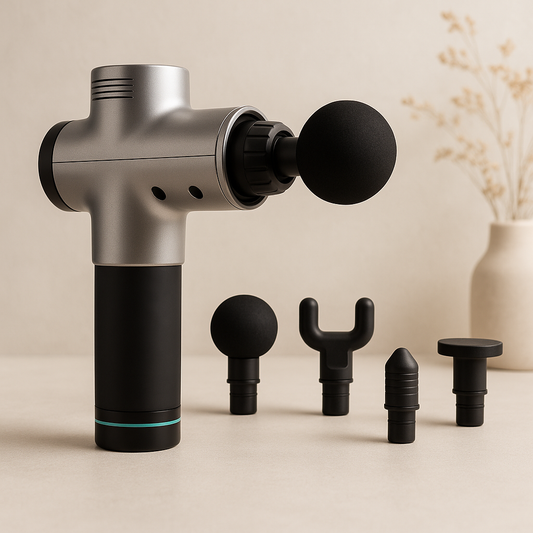
It depends on your goals. If you need targeted, hands-free relief, a neck shoulder massager makes sense. If you want treatment across calves, glutes, and quads, a percussion device or massage ball may be more versatile. If pain is persistent or travels down an arm, skip self-treatment and get assessed.
Common Mistakes That Reduce Results
The biggest mistake is using a massager too long. Extended pressure can leave muscles more irritated. Start with a short session at the lowest comfortable intensity. Give your body time to respond.
Another mistake is pressing directly over the front or side of the neck. Keep the nodes on muscular areas around the upper shoulders and back of the neck. Avoid the throat, spine, bony joints, and areas with visible swelling.
Do not use it to push through a serious problem. Seek professional guidance for unexplained pain, recent trauma, severe pain, loss of strength, dizziness, or numbness. Recovery tools should support consistency, not hide warning signs.
How to Choose a Neck Shoulder Massager
Use this buyer's checklist before adding a massager to your recovery setup:
- Confirm the device dimensions fit your storage space and shoulder width.
- Choose arm straps if you want adjustable, deeper pressure.
- Prioritize node placement over extra modes or decorative features.
- Check for heat controls and an automatic shutoff timer.
- Read noise feedback if you live with roommates or use it late.
- Select breathable, easy-clean fabric for frequent use.
- Verify the return policy and warranty for motor-driven equipment.
- Avoid use without guidance if you have injuries or relevant health concerns.
Consistency beats occasional marathon recovery sessions. Use the tool briefly, move afterward, and pay attention to how your body responds. That is how a neck and shoulder massager earns a place in your routine.