Entrenamiento de fuerza y resistencia en casa
Compartir
No necesita una habitación adicional o un gimnasio en el garaje para fortalecerse y durar más en los entrenamientos. El entrenamiento de fuerza y resistencia en casa funciona cuando su configuración se ajusta a su espacio, horario y límites de ruido. El objetivo es simple: usar equipo versátil que desarrolle músculo, mantenga su ritmo cardíaco alto y se ajuste a la vida real.
Por qué funciona el entrenamiento de fuerza y resistencia en casa
El mejor plan de entrenamiento en casa cumple dos funciones a la vez. Le ayuda a producir fuerza y le enseña a repetir ese esfuerzo sin desmoronarse. Esto es importante si desea músculos visibles, mejor acondicionamiento y un estado físico diario más útil.
El entrenamiento en casa también elimina las fricciones comunes. Sin desplazamientos. Sin esperas por el equipo. Sin espacio abarrotado. Para los principiantes, esto facilita la constancia. Para los levantadores experimentados, crea más control sobre el volumen, el ritmo y la recuperación.
Sin embargo, hay una contrapartida. Es posible que no tenga barras pesadas o grandes máquinas de cardio. Eso significa que su equipo debe ser eficiente. Debe cubrir empujar, tirar, sentadillas, bisagras, braceo y acondicionamiento de esfuerzo repetido.
El mejor equipo para el entrenamiento de fuerza y resistencia en casa
Juego de bandas de resistencia
Las bandas son uno de los puntos de partida más inteligentes para el entrenamiento de fuerza y resistencia en casa. Se guardan fácilmente, se adaptan bien y le permiten pasar rápidamente de un trabajo de fuerza lento a circuitos de alta repetición. También son aptas para apartamentos en comparación con la caída de pesas.
Úselas para remos, prensas, sentadillas, patrones de peso muerto, caminatas laterales, curls y trabajo de tríceps. Son especialmente útiles si sus techos son bajos y el espacio del suelo es limitado.
- Dimensiones de la huella: Plegadas: aproximadamente 8 x 6 x 2 pulgadas en una bolsa de transporte; desplegadas: varía según la longitud de la banda, a menudo 48-82 pulgadas
- Capacidad de peso: Los sistemas de anclaje suelen estar clasificados para una fuerza de tracción de alrededor de 300-500 libras
- Tipo de resistencia / Potencia del motor: Resistencia elástica, a menudo 10-150 libras combinadas según el juego
- Evaluación del nivel de ruido: Muy silencioso; ideal para apartamentos y uso en pisos superiores
Barra de dominadas para puerta
Una barra de dominadas añade un movimiento que muchas configuraciones domésticas echan de menos: el tirón vertical. Eso mejora la fuerza de la espalda, el agarre y la tensión del core. También abre la puerta a elevaciones de rodilla colgantes, sujeciones isométricas y trabajo asistido por bandas.
Esta es una buena opción si desea un mayor desafío para la parte superior del cuerpo sin ocupar espacio en el suelo. La variable clave es su puerta. El ancho, la profundidad del marco y la estabilidad de la pared importan.
- Dimensiones de la huella: Plegada: típicamente no plegable; tamaño guardado de aproximadamente 38 x 12 x 3 pulgadas; desplegada: se extiende a puertas de entre 24 y 36 pulgadas de ancho
- Capacidad de peso: Comúnmente 220-300 libras
- Tipo de resistencia / Potencia del motor: Resistencia del peso corporal
- Evaluación del nivel de ruido: Bajo ruido si se instala correctamente; puede crujir en marcos antiguos o puertas mal ajustadas
Rodillo abdominal
El rodillo abdominal parece simple. No es fácil. Entrena el tronco para resistir la extensión mientras los hombros y los dorsales se estabilizan con fuerza. Eso se traslada a las flexiones, las dominadas y los patrones de movimiento cargados.
Es mejor para usuarios que ya pueden mantener una plancha sólida. Si es nuevo, comience con extensiones cortas desde las rodillas. El control importa más que el rango.
- Dimensiones de la huella: Plegado: si es desmontable, aproximadamente 7 x 7 x 4 pulgadas; desplegado: alrededor de 12-16 pulgadas de ancho y 7 pulgadas de alto
- Capacidad de peso: Comúnmente 250-300 libras
- Tipo de resistencia / Potencia del motor: Resistencia del peso corporal a través de la inestabilidad rodante
- Evaluación del nivel de ruido: Muy silencioso sobre esterillas; ruido moderado de las ruedas en suelos duros en pisos superiores
Entrenador de boxeo
Un entrenador de boxeo es una herramienta inteligente de uso cruzado. Desarrolla la resistencia de los hombros, el juego de pies, la coordinación y la producción cardiovascular. También rompe los circuitos repetitivos de peso corporal, lo que ayuda a las personas a mantenerse comprometidas.
Esta opción funciona bien para personas que desean acondicionamiento sin largas sesiones de cinta de correr. También es útil en espacios pequeños si la base es compacta y estable.
- Dimensiones de la huella: Plegado: muchos no se pliegan; el área de la base suele tener entre 20 y 24 pulgadas de ancho; desplegado: la altura suele ser ajustable entre 48 y 65 pulgadas
- Capacidad de peso: La capacidad del usuario no suele estar clasificada; la base ponderada a menudo soporta golpes repetidos cuando se llena con 60-120 libras de agua o arena
- Tipo de resistencia / Potencia del motor: Resistencia de rebote de un diseño con resorte o eje flexible
- Evaluación del nivel de ruido: Moderado; más silencioso que los golpes de saco pesado, pero el ruido del impacto puede viajar en apartamentos
Mancuernas ajustables
Si desea el camino más directo para el progreso muscular y de fuerza, las mancuernas ajustables son difíciles de superar. Soportan prensas, remos, sentadillas, estocadas, bisagras, cargas y complejos. Eso las convierte en una fuerte inversión a largo plazo.
La desventaja es el costo y el impacto en el suelo. Los juegos más pesados ocupan más espacio y pueden ser ruidosos si se manipulan con descuido. Una esterilla ayuda.
- Dimensiones de la huella: Plegado: guardado en bandeja, aproximadamente 16 x 8 x 9 pulgadas por mancuerna; desplegado: la misma huella, la longitud de trabajo a menudo es de 14-18 pulgadas
- Capacidad de peso: Por mancuerna comúnmente 25-55 libras, a veces más
- Tipo de resistencia / Potencia del motor: Resistencia de peso cargado con placas o selectorizado
- Evaluación del nivel de ruido: Moderado; bajo si se controla, alto si se cae en pisos duros en pisos superiores
Cómo combinar fuerza y resistencia en casa
La mayoría de las personas no obtienen resultados porque entrenan una cualidad e ignoran la otra. El trabajo de fuerza pura con descansos largos genera fuerza, pero puede que no mejore mucho el esfuerzo repetido. Los circuitos rápidos aumentan la resistencia, pero pueden estancar la ganancia muscular si la resistencia es demasiado ligera.
La solución es simple. Combine un movimiento de fuerza principal con un bloque de acondicionamiento de menor descanso. Por ejemplo, haga sentadillas con copa o sentadillas con banda para series controladas, luego pase a zancadas, golpes o remos con banda con menos descanso. Eso le da tensión primero, luego resistencia a la fatiga.
Una estructura semanal simple
Entrene de tres a cuatro días a la semana. Mantenga dos días enfocados en la fuerza y uno o dos días mixtos.
Una división práctica se ve así:
- Día 1: Parte inferior del cuerpo y core
- Día 2: Parte superior del cuerpo y acondicionamiento
- Día 3: Descanso o movilidad y recuperación
- Día 4: Circuito de resistencia de cuerpo completo
- Día 5: Sesión opcional de accesorios y recuperación
Si el tiempo es limitado, realice sesiones de 25 a 35 minutos. Eso es suficiente cuando la selección de ejercicios es eficiente y el descanso es honesto.
Factores de configuración del hogar que la gente pasa por alto
Ruido y vecinos
Si vive en un piso, el ruido importa tanto como el rendimiento. Las bandas, el trabajo con peso corporal y el entrenamiento controlado con mancuernas son mejores opciones que saltar o dejar caer pesas. Un entrenador de boxeo puede funcionar, pero el tiempo y la protección del suelo importan.
Altura del techo
Los techos bajos pueden descartar el trabajo por encima de la cabeza o los movimientos colgantes en algunas habitaciones. Verifique la altura antes de comprar una barra de dominadas o planificar prensas por encima de la cabeza. En espacios más reducidos, las prensas de suelo, las prensas con banda, las sentadillas búlgaras y los remos suelen resolver el problema.
El equipo de recuperación no es opcional
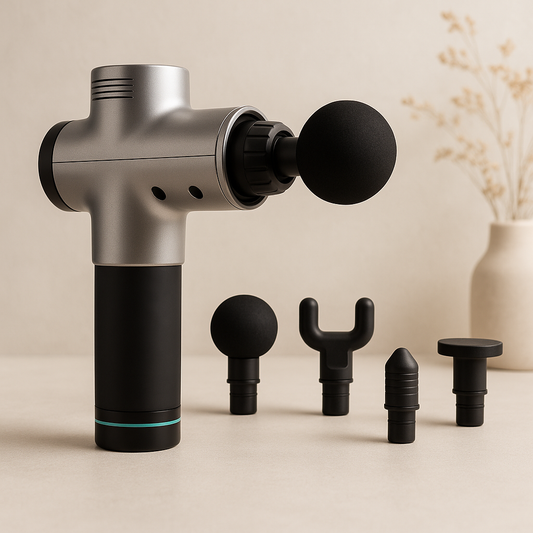
Si entrena a menudo, el dolor muscular puede convertirse en el cuello de botella. Las pelotas de masaje, las herramientas de movilidad y el equipo de soporte articular le ayudan a volver a entrenar antes. Eso no es un atajo. Es parte de mantenerse constante.
Cómo elegir equipo para el entrenamiento de fuerza y resistencia en casa
Utilice esta lista de verificación antes de comprar:
- Mida su área de entrenamiento primero. Incluya la altura del techo y el ancho de la puerta.
- Adapte el equipo a su objetivo principal. Músculo, cardio, core o entrenamiento mixto.
- Verifique los límites de ruido. El equipo silencioso es importante en apartamentos y casas compartidas.
- Priorice la versatilidad. Una herramienta debe cubrir varios patrones de movimiento.
- Observe la progresión. Debería poder hacer que los entrenamientos sean más difíciles con el tiempo.
- Piense en el almacenamiento. El equipo plegable o compacto gana en casas más pequeñas.
- Planifique también la recuperación. Una mejor recuperación apoya un mejor volumen semanal.
Para la mayoría de las personas, la configuración inicial más inteligente es un juego de bandas de resistencia, un rodillo abdominal y una barra de dominadas para puerta o mancuernas ajustables. Eso le da suficiente rango para entrenar duro sin convertir su casa en un gimnasio completo. Marcas como Virfit se centran en este término medio por una razón: el equipo práctico se usa con más frecuencia.
Entrene para la habitación que realmente tiene, no para la configuración soñada que puede construir más tarde. Cuando su equipo se ajusta a su vida, la constancia deja de ser difícil.