Guide to Portable Fitness Gear That Works
Share
Missed workouts usually come down to friction. Too much setup. Not enough space. Gear that feels bulky, loud, or hard to use. This guide to portable fitness gear cuts through that fast. If you want equipment that travels well, stores easily, and still helps you train hard, start with compact tools that cover strength, conditioning, mobility, and recovery.
What portable fitness gear should actually do
Portable gear is not just small gear. It needs to earn its spot. That means easy storage, quick setup, and enough training value to replace larger equipment at least part of the time.
For most people, the sweet spot is gear that fits under a bed, in a closet, or in a duffel bag. It should also work in real living situations. Apartments. Shared spaces. Hotel rooms. Low ceilings. Upstairs floors. Portability without usefulness is just clutter.
Guide to portable fitness gear for strength
Strength gear matters most because it usually takes the most space. The goal is not to recreate a full gym. It is to cover push, pull, squat, hinge, carry, and core work with minimal footprint.
Resistance bands
Resistance bands are the easiest starting point. They work for beginners and experienced lifters. They also scale well. You can use them for warmups, assistance work, full workouts, and travel sessions.
Trade-off: bands are highly portable, but resistance can feel less precise than dumbbells or machines. Tension also changes through the movement, which is useful for some exercises and less ideal for others.
- Footprint Dimensions: Folded - fits in a small pouch, roughly 8 x 6 inches. Unfolded - length commonly 41 inches for loop bands, 48-60 inches for tube bands
- Weight Capacity: Not usually rated by bodyweight capacity. Resistance ranges typically from 5 to 150 pounds depending on band thickness and stacking
- Resistance Type / Motor Horsepower: Elastic resistance
- Noise Level Assessment: Very quiet. Apartment-friendly. Minor snap noise possible if anchored poorly
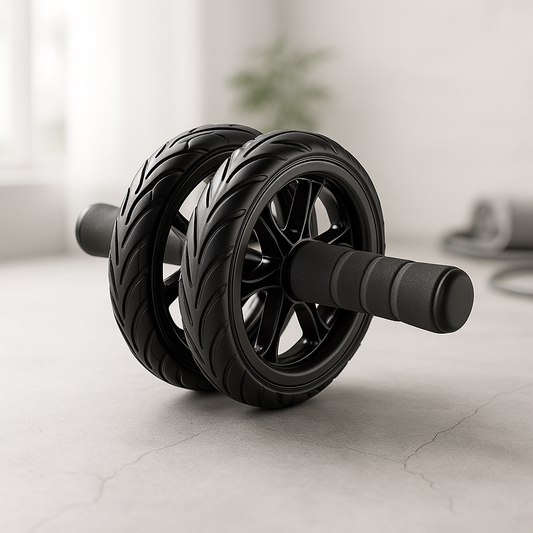
Ab roller
An ab roller does one job well. It builds anti-extension core strength and challenges shoulders and lats. It stores fast and travels easily.
Trade-off: it is not beginner-proof. If your core control is limited, rollout range needs to stay short at first. It is also best on a mat if you train on hard floors.
- Footprint Dimensions: Folded - about 12 x 7 x 7 inches if handles detach. Unfolded - about 12-16 x 7-10 x 7 inches
- Weight Capacity: Commonly 220-330 pounds depending on axle design
- Resistance Type / Motor Horsepower: Bodyweight rolling resistance
- Noise Level Assessment: Low noise on mats. Moderate wheel noise on hardwood or tile
Doorway pull-up bar
If you want upper-body strength without a rack, a pull-up bar is a strong option. It supports pull-ups, hangs, knee raises, and band-assisted work. It gives portable gear a true strength anchor.
Trade-off: doorway compatibility matters. Trim shape, wall depth, and frame width can make or break the fit. It is also less travel-friendly than bands.
- Footprint Dimensions: Folded - roughly 38 x 12 x 3 inches for compact designs. Unfolded - about 38-40 x 12-14 x 10-12 inches installed
- Weight Capacity: Usually 220-300 pounds
- Resistance Type / Motor Horsepower: Bodyweight load
- Noise Level Assessment: Low to moderate. Quiet when fitted correctly. Can creak on dynamic reps
Portable gear for conditioning
Cardio gear gets tricky fast. Many machines are portable only in marketing photos. True portability means you can move it without planning your day around it.
Jump rope
The jump rope is still one of the best conditioning tools per dollar and per square inch. It builds coordination, work capacity, and lower-leg stiffness. It also packs into any bag.
Trade-off: noise and impact matter. In upstairs apartments, jump rope can be a problem. Ceiling height matters too. If space is limited, shadow rope work or low-impact intervals may be smarter.
- Footprint Dimensions: Folded - coils into roughly 6 x 6 x 2 inches. Unfolded - rope length commonly 8-10 feet
- Weight Capacity: No fixed user capacity for normal use
- Resistance Type / Motor Horsepower: Bodyweight cyclic impact
- Noise Level Assessment: Moderate to high, especially on hardwood or upstairs floors
Punching trainer or reflex trainer
For people who get bored with standard cardio, a compact punching trainer adds speed, timing, and conditioning. It also works well for short sessions when motivation is low.
Trade-off: these tools are great for engagement, but they do not replace full resistance training. Stability also depends on base design and floor surface.
- Footprint Dimensions: Folded - varies, often 18 x 18 x 6 inches if disassembled. Unfolded - base footprint commonly 18-24 inches wide, height 48-65 inches adjustable
- Weight Capacity: Base load capacity often depends on sand or water fill, typically 20-60 pounds ballast
- Resistance Type / Motor Horsepower: Spring rebound or elastic recoil
- Noise Level Assessment: Moderate. Quieter than a heavy bag. Some rebound vibration on hard floors
The portable gear most people overlook
The best setup is not always the hardest one. Consistency improves when recovery and mobility tools are close by. These tools make short sessions more useful and help reduce the soreness that derails the next workout.
Yoga mat
A mat is the base layer. It protects floors, cuts noise, improves grip, and makes core and mobility work more comfortable. It also makes every other portable tool easier to use.
Trade-off: thicker is not always better. More cushion helps for floor work, but too much softness can reduce balance for standing strength movements.
- Footprint Dimensions: Folded - rolls to about 24 x 6 x 6 inches. Unfolded - commonly 68-72 x 24 inches
- Weight Capacity: Supports standard bodyweight use across a wide range
- Resistance Type / Motor Horsepower: None
- Noise Level Assessment: Very quiet. Helps dampen impact and vibration
Massage ball
A massage ball is small, cheap, and useful. It targets feet, glutes, upper back, and shoulders. For desk workers and runners, it punches above its size.
Trade-off: it is precise, not broad. If you want full-body pressure, a foam roller covers more area faster.
- Footprint Dimensions: Folded - not applicable. Unfolded - typically 2.5-5 inches diameter
- Weight Capacity: Supports direct bodyweight pressure in standard use
- Resistance Type / Motor Horsepower: Manual pressure tool
- Noise Level Assessment: Silent to very low
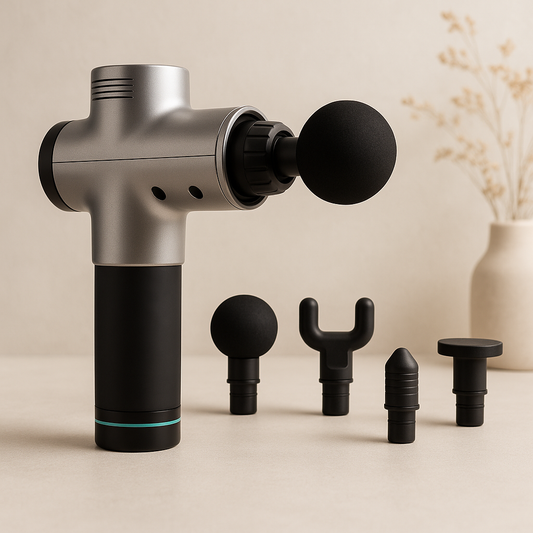
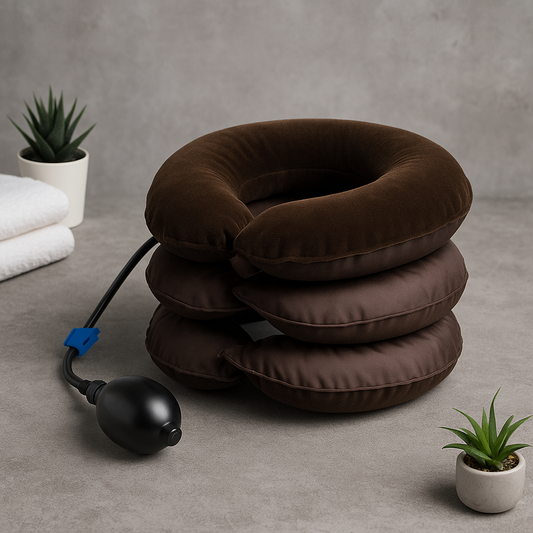
Compact neck and shoulder massager
If stress sits in your traps, a compact massager can help you recover without needing a full recovery station. It is especially useful for people mixing training with long laptop hours.
Trade-off: powered recovery tools feel convenient, but they need charging or outlet access. They also should not replace movement, mobility, or strength work.
- Footprint Dimensions: Folded - roughly 15 x 7 x 5 inches. Unfolded - about 15-20 x 7-10 x 5-6 inches depending on wrap design
- Weight Capacity: Not bodyweight load-bearing equipment
- Resistance Type / Motor Horsepower: Electric kneading motor
- Noise Level Assessment: Low to moderate hum. Usually apartment-friendly
How to build a portable kit without wasting money
Start with your biggest training gap. If you need full-body strength, bands and a pull-up bar give the most range. If your issue is motivation, a jump rope or punching trainer may get you moving faster. If soreness keeps interrupting progress, add a mat and recovery tool first.
A smart kit usually has three layers. One strength tool. One conditioning tool. One recovery or mobility tool. That combination handles more real life than a random pile of gadgets.
If you train in a small apartment, noise matters as much as results. Bands, mats, massage balls, and controlled bodyweight tools usually win. If you travel often, prioritize gear that fits in a backpack and does not require anchors or assembly. If you need beginner-friendly options, keep setup simple and progression obvious.
Virfit’s product mix makes sense for this kind of setup because it covers training and recovery together. That matters. People stick with fitness longer when their gear supports the whole cycle, not just the hard part.
How to choose portable fitness gear
Use this checklist before you buy:
- Measure your training area, including ceiling height and door width
- Check folded and unfolded dimensions, not just product photos
- Match resistance to your current level, not your ideal future level
- Look for low-noise options if you live upstairs or share walls
- Pick gear with at least two to three use cases
- Avoid tools that need complicated setup for short workouts
- Add one recovery item if soreness often breaks consistency
- Choose durable materials if you plan to travel with it