Guide to Recovery After Strength Training
Share
Hard sessions build strength. Recovery is what lets you use it again.
This guide to recovery after strength training is for people who want steady progress without feeling wrecked for three days. If you lift at home, train in a busy schedule, or deal with tight muscles and lingering soreness, the goal is simple: recover well enough to train consistently.
Why recovery matters more than most lifters think
Strength training creates stress on purpose. Muscles, connective tissue, and your nervous system all take a hit. That stress is useful, but only if your body gets enough time and support to adapt.
Poor recovery usually does not show up as one dramatic failure. It looks smaller than that. Your warm-up feels heavier. Your grip fades early. Sleep gets lighter. Soreness hangs around longer. A normal workout starts feeling like a grind.
That is why a good guide to recovery after strength training should focus on more than soreness. Recovery is about restoring performance, not just chasing comfort. Sometimes less soreness means you are recovering well. Sometimes you are still under-recovered even if your muscles do not ache much. It depends on your sleep, stress, training volume, age, and nutrition.
Start with the big levers
Most recovery problems come back to four basics: sleep, food, hydration, and training load. Recovery tools help, but they do not fix poor habits upstream.
Sleep is your first recovery tool
If you want one habit that improves almost everything, start here. During sleep, your body handles tissue repair, hormone regulation, and nervous system recovery. Cut sleep short, and everything else works worse.
Aim for seven to nine hours most nights. If that feels unrealistic, protect consistency before perfection. A steady bedtime and wake time can help more than one random night of extra sleep. If you train late, give yourself time to cool down before bed. Heavy lifting close to bedtime can leave some people wired.
Short naps can help too, especially if your sleep was disrupted. Just keep them short enough that they do not wreck your evening schedule.
Eat for repair, not just calories
After lifting, your body needs protein to repair tissue and carbs to restore energy. The exact timing is less dramatic than social media makes it sound, but your overall intake matters a lot.
A practical target is to eat a solid meal with protein and carbs within a couple of hours after training. If you train early or cannot eat soon, a simple shake or snack is fine. Across the full day, consistent protein intake matters more than a perfect post-workout window.
If soreness feels extreme or workouts start dragging, under-eating is often the hidden issue. This shows up a lot in people trying to lose weight while still training hard. Fat loss can work with strength training, but recovery margins get tighter.
Hydration affects more than thirst
Even mild dehydration can make training feel harder and recovery feel slower. It can also increase the chance of headaches, fatigue, and cramping in some people.
Drink throughout the day, not just during your session. If your workouts are long, sweaty, or done in heat, add electrolytes when needed. The goal is simple: replace what you lose and avoid starting the next session already behind.
Match recovery to training load
Not every workout needs the same recovery plan. A few moderate sets of goblet squats do not create the same demand as heavy deadlifts, high-volume leg day, or repeated near-failure work.
This is where many lifters get confused. They use the same routine after every session and expect the same result. Better recovery starts with better judgment. Harder sessions need more food, more sleep, and often a lighter next day.
What to do in the first 24 hours
The first day after strength training matters because it shapes how quickly you bounce back. You do not need a complicated protocol. You need the right actions.
Keep moving
Total rest sounds smart, but light movement often helps more. A walk, easy cycling, or gentle mobility work can improve blood flow and reduce stiffness. That does not mean you should turn recovery into another hard workout. Keep the effort low.
For lower-body soreness, a brisk walk can do more than lying on the couch all day. For upper-body tightness, controlled shoulder and thoracic mobility work often helps.
Use mobility with purpose
Mobility helps when it restores range of motion and reduces tension. It does not help much when it becomes random stretching done half-heartedly.
Focus on the areas you trained. After a pressing workout, open the chest, shoulders, and upper back. After squats or lunges, work on hips, quads, glutes, and calves. Move slowly. Breathe normally. Do not force range just because you feel stiff.
Manage soreness without chasing numbness
Delayed onset muscle soreness is common, especially after new movements, higher volume, or more eccentric work. Some soreness is normal. Severe soreness that changes your movement pattern is a problem.
Heat, light massage, and easy movement can help muscles feel better. Cold can reduce discomfort, but there is some debate about using it aggressively after every session, especially if your main goal is maximizing adaptation. If you are training for performance, use recovery methods strategically, not automatically.
Recovery tools that actually help
Tools can support recovery when they solve a real problem. They are not magic. They work best when sleep, food, and training load are already in line.
Massage balls and self-myofascial work
A massage ball can help with tight feet, glutes, upper back, and shoulders. The benefit is usually short-term relief and improved movement quality, not permanent tissue change. That is still useful if it helps you train better.
Use moderate pressure for 30 to 60 seconds per area. If you are holding your breath or wincing, you are probably overdoing it.
Braces and support gear
Knee sleeves, braces, and light support tools can make training more comfortable when joints feel irritated. They do not replace strength, movement quality, or proper load management. Think of them as support, not a fix.
If a joint keeps barking, reduce the movement or volume causing the issue and rebuild gradually. Covering pain without changing anything else usually backfires.
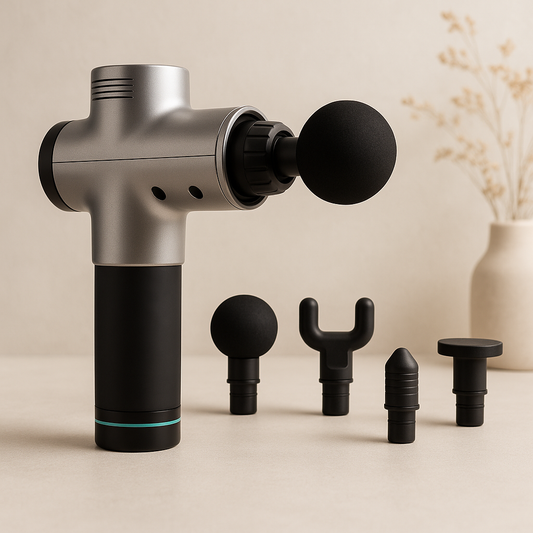
Percussion and handheld recovery tools
Massagers can reduce the sensation of tightness and help you relax after training. That can be useful, especially if you sit for long hours and start sessions already stiff. The trade-off is cost versus benefit. If your budget is tight, sleep and food give you more return.
Virfit focuses on practical recovery tools for that reason. The best gear is the gear you will actually use between sessions.
Signs you are not recovering well
A hard workout should challenge you. It should not derail your whole week. If recovery is off, your body usually tells you before your numbers collapse.
Watch for soreness lasting more than 72 hours on a regular basis, declining performance across multiple sessions, poor sleep, irritability, low motivation, and joints that feel worse each week instead of better. A rising resting heart rate can also be a clue for some people.
These signs do not always mean overtraining in the clinical sense. More often, they mean under-recovery. The fix may be as simple as reducing weekly volume, adding a rest day, eating more, or finally getting enough sleep.
How to adjust when life gets busy
Real life changes recovery. Work stress, travel, parenting, and poor sleep all reduce what your body can handle. The smartest move is not to force the old plan. It is to adjust early.
On high-stress weeks, keep intensity where it needs to be, but trim volume. That might mean fewer sets, fewer accessory lifts, or one less training day. You can maintain strength with less work than most people think. Trying to push full volume through low recovery usually just creates junk fatigue.
This matters even more for home workouts. When equipment is close by, it is easy to do a little extra every day. Sometimes that helps. Sometimes it just blurs the line between training and never fully recovering.
How to choose recovery tools that fit real life
If you want a buyer's guide, keep it practical. Choose recovery support based on the problem you need to solve.
If your main issue is tight feet, hips, or shoulders, start with a massage ball or mobility tool. If your knees feel irritated during squats or lunges, support gear may help while you clean up training load and movement quality. If stress and desk stiffness are major issues, a handheld massager can be useful because it is quick and easy to use.
Skip anything that adds friction. Big, complicated equipment often sits unused. For most people, compact tools work better because they are easy to grab after training or during a work break.
Also think about your space and schedule. If you live in an apartment, quiet tools matter. If you train in short windows, the best recovery setup is one you can use in five minutes, not thirty.
The best checklist is simple: does it fit your soreness pattern, your budget, your space, and your routine? If not, it probably will not help for long.
Train hard when it is time to train. Then recover like your next workout depends on it, because it does.