How to Improve Shoulder Mobility Fast
Share
Tight shoulders change everything. Pressing feels off. Overhead reach gets limited. Even sleep can get annoying. If you want to know how to improve shoulder mobility, start with a simple rule: move the joint more often, strengthen what supports it, and stop forcing ranges you do not control.
Why shoulder mobility gets lost
Shoulder mobility is not just about the shoulder joint. It depends on the shoulder blade, upper back, rib cage, and even how you breathe. If one part stops moving well, another part compensates.
For most people, the usual problems are simple. Too much sitting. Too much pressing. Not enough pulling. Limited thoracic rotation. Poor recovery after hard training. The result is stiffness in the front of the shoulder, weak control around the shoulder blade, and awkward overhead mechanics.
That is why stretching alone rarely fixes it. You need a mix of tissue work, active range, and strength.
How to improve shoulder mobility without wasting time
The fastest way to improve is to stop treating mobility like a separate project. Build it into your warm-up, your recovery, and your weekly training. Ten focused minutes done consistently beats one long mobility session on Sunday.
Start with three buckets: release tight tissue, restore motion, and strengthen the new range. Miss one, and progress usually stalls.
1. Release what is limiting movement
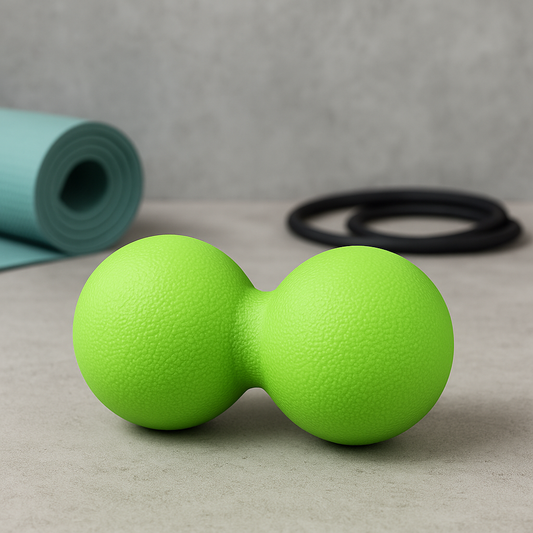
If your chest, lats, or rear shoulder are stiff, your arm will struggle to move cleanly overhead. A massage ball helps reduce that restriction before mobility drills.
Use slow pressure on the pec major, rear delt, and area around the shoulder blade. Do not grind aggressively. Sixty to ninety seconds per area is usually enough.
Massage Ball
- Footprint Dimensions: 2.5 to 3.5 inches diameter; folded vs. unfolded not applicable
- Weight Capacity: Bodyweight-supported use, typically suitable for all user sizes on wall or floor
- Resistance Type / Motor Horsepower: None
- Noise Level Assessment: Very quiet; apartment-friendly and suitable upstairs
This step works best before stretching. The goal is not pain. The goal is less resistance to movement.
2. Restore overhead and rotational range
Once the tissue relaxes, train the shoulder through clean motion. Resistance bands and mobility straps work well here because they let you control load and angle.
Band shoulder dislocates, wall slides, and assisted overhead raises are strong options. Keep your ribs down. Let the shoulder blade rotate upward naturally. If your low back arches hard, you are borrowing motion from the wrong place.
Resistance Bands
- Footprint Dimensions: 48 inches length standard; folded storage under 10 x 6 x 2 inches
- Weight Capacity: Depends on band thickness; light to extra-heavy options support progressive tension rather than fixed user load
- Resistance Type / Motor Horsepower: Elastic resistance
- Noise Level Assessment: Nearly silent; ideal for apartments and early-morning sessions
Mobility Strap
- Footprint Dimensions: 6 to 8 feet length; folded storage around 8 x 4 x 2 inches
- Weight Capacity: Commonly supports assisted stretching for most adults when used as directed
- Resistance Type / Motor Horsepower: Non-elastic strap assistance
- Noise Level Assessment: Silent; excellent for shared spaces
A useful sequence is band pass-throughs for 8 to 10 reps, then wall slides for 8 reps, then strap-assisted overhead holds for 20 seconds. Move slow. Better positions matter more than more reps.
3. Strengthen the range you gain
New mobility disappears fast if you do not own it. That means building strength in the positions you just opened up.
This is where many people miss progress. They stretch, feel better for an hour, then go back to the same movement pattern. Add light band external rotations, face pulls, and overhead carries if your range allows. Controlled strength teaches the shoulder to trust the new position.
For beginners, light resistance is enough. For intermediate lifters, tempo work matters more than heavy loading at first.
The best drills for daily progress
You do not need a huge routine. You need the right routine. The following combination covers most people with desk stiffness, lifting fatigue, or limited overhead range.
Soft tissue release
Use a massage ball against a wall for the chest and rear shoulder. Keep pressure steady and breathe slowly. One to two minutes per side works well.
Wall slides
Stand with forearms on a wall. Slide upward without shrugging hard. Focus on smooth shoulder blade movement. If you feel neck tension more than shoulder effort, reduce the range.
Band pass-throughs
Hold a light band wide and raise it overhead, then behind you if controlled. Widen your grip if it pinches. This drill should feel smooth, not forced.
Thread the needle and thoracic rotation
A stiff upper back can fake shoulder tightness. Add a few thoracic rotation reps on each side. This helps overhead motion without cranking the shoulder joint itself.
External rotation holds
With a light band, rotate the hand outward and pause. This builds cuff control. Better cuff control usually means better shoulder positioning.
Assisted lat stretch with a yoga block
A yoga block can improve setup during kneeling or floor-based mobility work. It helps you reach a better angle without collapsing posture.
Yoga Block
- Footprint Dimensions: About 9 x 6 x 3 inches; folded vs. unfolded not applicable
- Weight Capacity: Supports bodyweight-assisted positions for most adults when used on stable flooring
- Resistance Type / Motor Horsepower: None
- Noise Level Assessment: Silent; ideal for small apartments and upstairs use
Blocks are especially useful if tight hips or limited floor mobility affect your shoulder stretch positions.
Common mistakes that keep shoulders stiff
The first mistake is stretching too aggressively. Sharp discomfort usually makes the joint guard more, not less. Mobility responds better to repeat exposure and control.
The second mistake is ignoring the shoulder blade. Your arm does not move well if the scapula stays stuck. Upward rotation, posterior tilt, and basic control matter.
The third mistake is only training pushing patterns. If your week is full of push-ups, pressing, and front-loaded work, add more rows, pull-aparts, and rear shoulder volume.
The fourth mistake is skipping recovery. Hard upper-body sessions create tone and fatigue. If you never downshift, the front of the shoulder stays tight.
How often should you do shoulder mobility work?
Daily is ideal if the sessions stay short. Five to ten minutes before training and five minutes after can create real change in a few weeks.
If your shoulders are very stiff, use tissue work and light drills every day. If you already train well and need maintenance, three to four times per week may be enough. It depends on your workload, posture, training style, and injury history.
Pain is different from stiffness. If overhead movement causes sharp pain, night pain, or weakness, get assessed before pushing deeper ranges.
A simple weekly plan
On upper-body days, do release work, band pass-throughs, wall slides, and external rotations before lifting. After training, add a gentle lat stretch and chest opener.
On non-lifting days, keep it lighter. Use the massage ball, mobility strap, and a few controlled rotations. This is enough to maintain momentum without turning recovery into another workout.
For home training, this setup is hard to beat because it is compact, quiet, and easy to repeat. That matters. The best shoulder mobility routine is the one you actually do.
How to choose the right tools
Buy based on what limits you most.
- Choose resistance bands if you need warm-ups, activation, and strength at end range.
- Choose a massage ball if stiffness sits in the chest, rear shoulder, or upper back.
- Choose a mobility strap if overhead and behind-the-back range feels restricted.
- Choose a yoga block if your floor positions break down or your posture collapses.
Also think about your space and schedule.
- Small apartment: prioritize bands, strap, and massage ball.
- Upstairs setup: stick with silent tools and wall-based drills.
- Beginner: start with light bands and simple wall work.
- Intermediate or advanced: add end-range strength and loaded control.
Virfit’s approach fits this well: practical tools, easy storage, real everyday use.
Shoulder mobility gets better when you train it like a skill, not a one-time fix. Stay consistent, keep the drills clean, and let progress build week by week.