7 Post Workout Recovery Tools for Home Training
Share
Hard training only works when recovery keeps pace. The right post workout recovery tools can ease tight muscles, restore comfortable movement, and help you train consistently. You do not need a recovery room or expensive machines. You need tools that match your body, space, and routine.
Why Recovery Tools Earn Their Space
Soreness is not always a sign of progress. Some muscle tenderness after a new workout is normal. Sharp pain, swelling, numbness, or pain around a joint is different. Stop training that area and seek qualified medical advice when symptoms persist.
For ordinary post-training tightness, recovery tools can support your routine. They do not replace sleep, hydration, protein, or sensible programming. They can help you feel more comfortable between sessions. That matters when work, family, and limited home space already challenge consistency.
Use pressure and mobility work after training or on rest days. Start gently. More pressure is not always better. The goal is relaxed movement, not a bruising contest.
The Best Post Workout Recovery Tools for a Home Setup
1. High-Density Foam Roller
A foam roller is the most versatile starting point. Use it on larger muscle groups, including quads, calves, hamstrings, glutes, and upper back. Roll slowly for 30 to 60 seconds per area. Pause on tender spots, but do not hold your breath or force sharp pain.
Choose a medium-to-firm roller first. Aggressive textured rollers can feel useful for experienced users. They can also cause beginners to tense up. A smooth or lightly textured surface makes regular use easier.
Physical specifications to choose:
- Footprint dimensions: 18 x 6 inches unfolded; 18 x 6 inches when stored. It does not fold.
- Weight capacity: 300 pounds minimum static user-load rating.
- Resistance type / motor horsepower: Bodyweight pressure; no motor; 0 HP.
- Noise level assessment: Low. Quiet on yoga mats or carpet. Moderate rolling noise on hardwood.
An 18-inch model fits small apartments well. A 36-inch roller offers more upper-back support. It also needs more storage space. Train smarter by choosing the length you will actually keep nearby.
2. Massage Ball
A massage ball reaches places a roller cannot. It works especially well for feet, glutes, chest muscles, shoulders, and the area around the shoulder blade. Place it against a wall first. Floor work creates more pressure and demands more control.
A single ball gives precise pressure. A peanut-shaped double ball works well along either side of the spine. Never roll directly over your neck, lower-back bones, or any painful joint.
Physical specifications to choose:
- Footprint dimensions: 3.15 x 3.15 inches unfolded; 3.15 x 3.15 inches when stored. It does not fold.
- Weight capacity: 300 pounds minimum static compression rating.
- Resistance type / motor horsepower: Bodyweight pressure; no motor; 0 HP.
- Noise level assessment: Very low. Nearly silent against a wall, mat, or carpet.
This is the best recovery purchase for tight spaces. It fits in a gym bag, desk drawer, or nightstand. It also makes quick five-minute mobility breaks realistic.
3. Massage Stick
A massage stick gives you more control than a foam roller. You hold the handles and regulate pressure through the rollers. That makes it useful for calves, quads, hamstrings, forearms, and shins after running, cycling, lifting, or long workdays.
It is also a practical option for people who struggle getting down to the floor. Use long strokes toward the heart. Keep pressure moderate. Avoid rolling directly over varicose veins, bruises, or inflamed tissue.
Physical specifications to choose:
- Footprint dimensions: 18 x 2.5 inches unfolded; 18 x 2.5 inches when stored. It does not fold.
- Weight capacity: No bodyweight load rating required. The tool should support at least 50 pounds of applied hand pressure.
- Resistance type / motor horsepower: Manual roller resistance; no motor; 0 HP.
- Noise level assessment: Very low. Quiet enough for early mornings and shared walls.
A stick is less hands-free than a roller. In return, it offers precision. That trade-off works well when one calf or forearm feels tighter than the other.
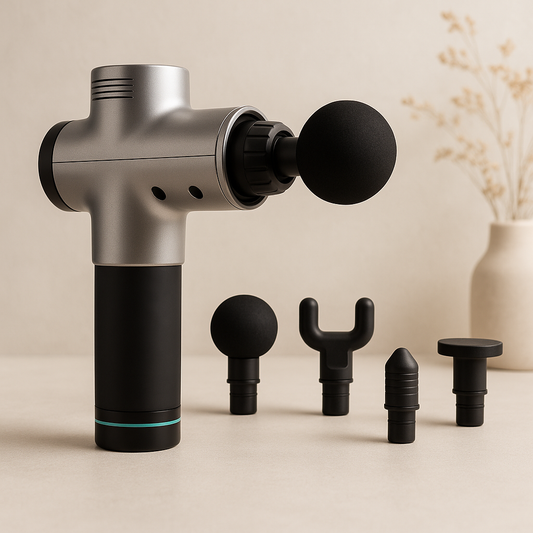
4. Percussion Massager
A percussion massager uses rapid pulses to create a different sensation than rolling. It can be useful after demanding sessions, especially on glutes, quads, calves, and upper traps. Keep it moving. Spend roughly 30 seconds per muscle area at a low setting.
Do not use it over bones, the front or sides of the neck, fresh injuries, numb areas, or swollen tissue. If you have a medical condition, are pregnant, use blood-thinning medication, or have circulation concerns, ask a clinician before use.
Physical specifications to choose:
- Footprint dimensions: 9 x 7 x 3 inches unfolded; 9 x 7 x 3 inches in its case. It does not fold.
- Weight capacity: Not bodyweight-bearing. Choose a model with a minimum 22-pound stall-force rating.
- Resistance type / motor horsepower: Electric percussion motor; 30 to 40 watts is appropriate for home use; horsepower is not typically rated.
- Noise level assessment: Moderate. Look for a rating below 55 decibels for apartment-friendly use.
More power is not always a better choice. A quieter device with useful speed settings encourages frequent use. That is more valuable than a heavy model that stays in a closet.
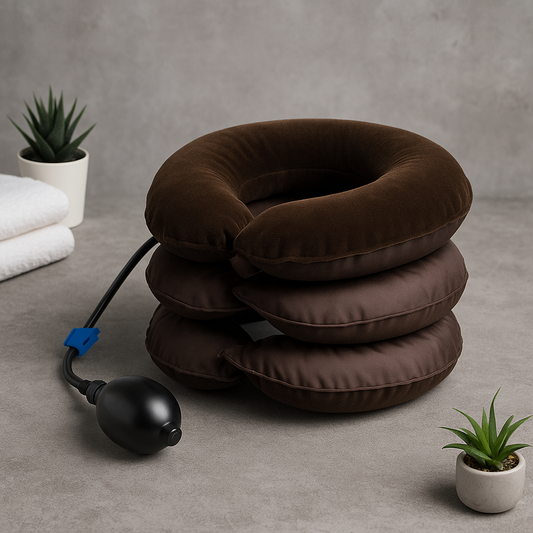
5. Heated Neck and Shoulder Massager
Desk posture and training can leave the upper body feeling locked up. A heated neck and shoulder massager can provide short, comfortable sessions after upper-body work or long screen time. Use it while seated. Keep the session brief, usually 10 to 15 minutes.
Heat feels good, but it is not right for every situation. Avoid heat over acute swelling, recent strains, or areas that feel hot and inflamed. Use gentle mobility afterward, such as shoulder circles and controlled neck rotations.
Physical specifications to choose:
- Footprint dimensions: 23 x 16 x 7 inches unfolded; 23 x 16 x 7 inches when stored. It does not fold flat.
- Weight capacity: Not bodyweight-bearing. The shoulder straps should tolerate 20 pounds of pulling force.
- Resistance type / motor horsepower: Electric kneading nodes with heat; 24 to 30 watts; horsepower is not typically rated.
- Noise level assessment: Low to moderate. Expect a soft mechanical hum, usually suitable for apartments.
This tool is best for comfort and relaxation. It should complement movement, not replace strength work for the upper back and shoulders.
6. Compression Knee Sleeve
A compression knee sleeve can provide warmth and a supported feeling during recovery walks or light mobility work. It is not a cure for knee pain. If your knee locks, buckles, swells, or hurts during daily movement, get it assessed.
Fit matters more than maximum compression. A sleeve that folds behind the knee or causes tingling is too tight. Measure your leg according to the product's size chart. Do not guess.
Physical specifications to choose:
- Footprint dimensions: 12 x 3.5 inches laid flat for a medium sleeve; 12 x 7 inches when worn. It does not fold.
- Weight capacity: Not load-bearing. It should not be used as a substitute for a hinged brace.
- Resistance type / motor horsepower: Elastic compression fabric; no motor; 0 HP.
- Noise level assessment: Silent. Ideal for shared homes, travel, and recovery walks.
Use a sleeve when it improves comfort. Skip it if it creates pressure, numbness, or increased pain.
Build a Recovery Routine You Will Repeat
Keep the routine short. After strength training, spend two minutes on the muscles that worked hardest. For example, roll quads and glutes after squats. Use a massage ball on the chest and shoulders after push-ups. Use a stick on calves after walking or running.
Pair tools with simple movement. After rolling your calves, perform ankle circles. After using a ball on your upper back, do slow wall slides. This helps turn short-term relief into usable range of motion.
Recovery tools also work well on non-training days. Five to 10 minutes can reduce stiffness from sitting. Consistency beats occasional marathon sessions.
How to Choose Recovery Tools for Your Space
Use this checklist before buying:
- Choose a foam roller if you need full-body value and floor space.
- Choose a massage ball if storage is your biggest concern.
- Choose a massage stick if floor work feels inconvenient.
- Choose a percussion massager if you want fast, targeted sessions.
- Choose a heated shoulder massager for seated upper-body comfort.
- Choose a knee sleeve for light support, never injury diagnosis.
- Check noise ratings if you train early or live upstairs.
- Prioritize durable materials and simple storage over unnecessary features.
Virfit recovery essentials are built for real routines, not perfect ones. Pick one tool that solves your most common tight spot. Use it after your next session. Small recovery habits make stronger training weeks possible.